2026 Design Trends That Delight The Senses
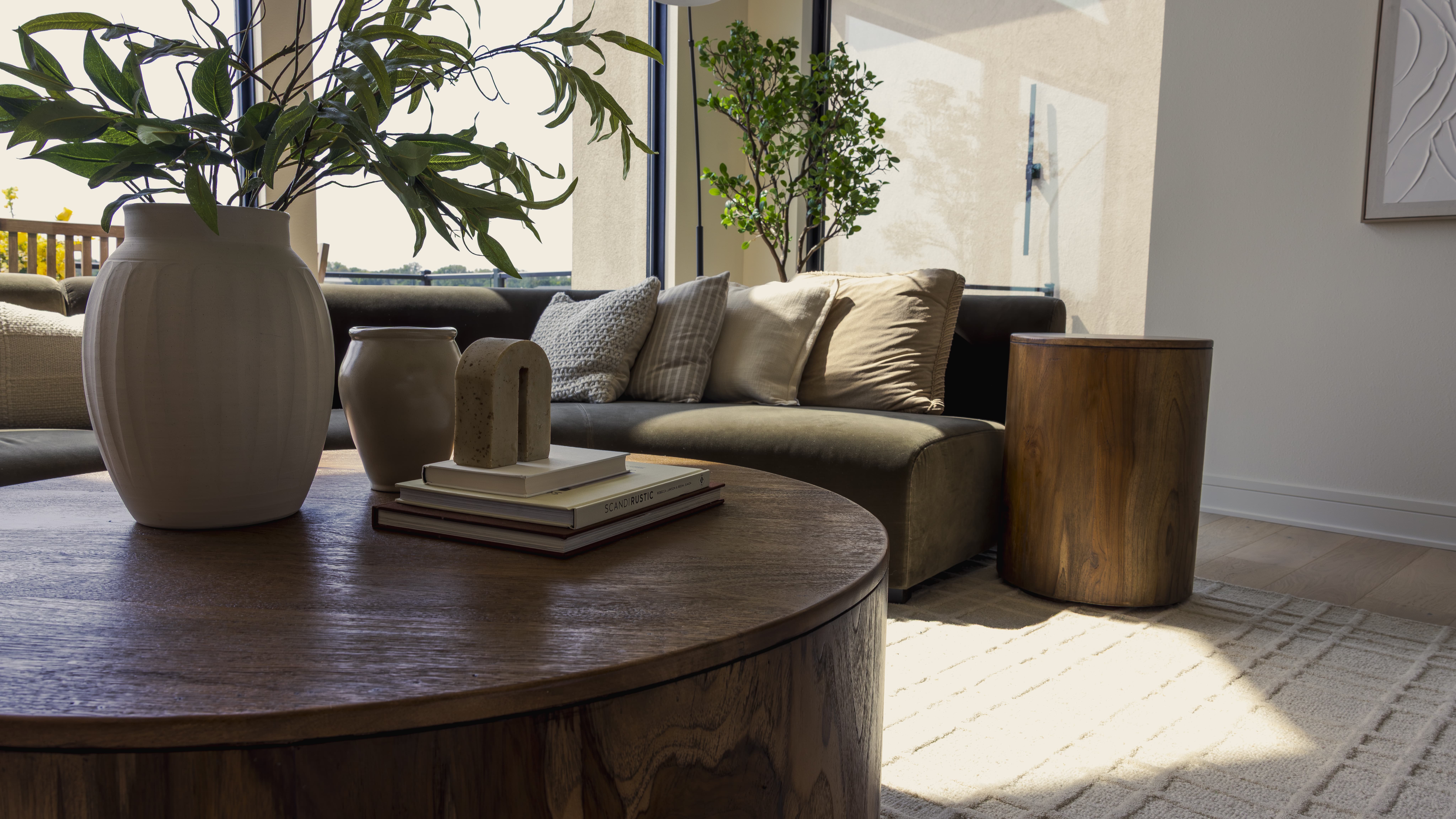
As we step into 2026, interior design has evolved beyond pure visual aesthetics. Today’s spaces are crafted to engage all five senses, nurture emotional well-being and tell a story about who you are. Whether you’re updating a living room, bedroom, or your whole home, these trends reflect comfort, warmth, sustainability, and intentional style.
1. Earthy, Warm Color Palettes That Feel Grounded
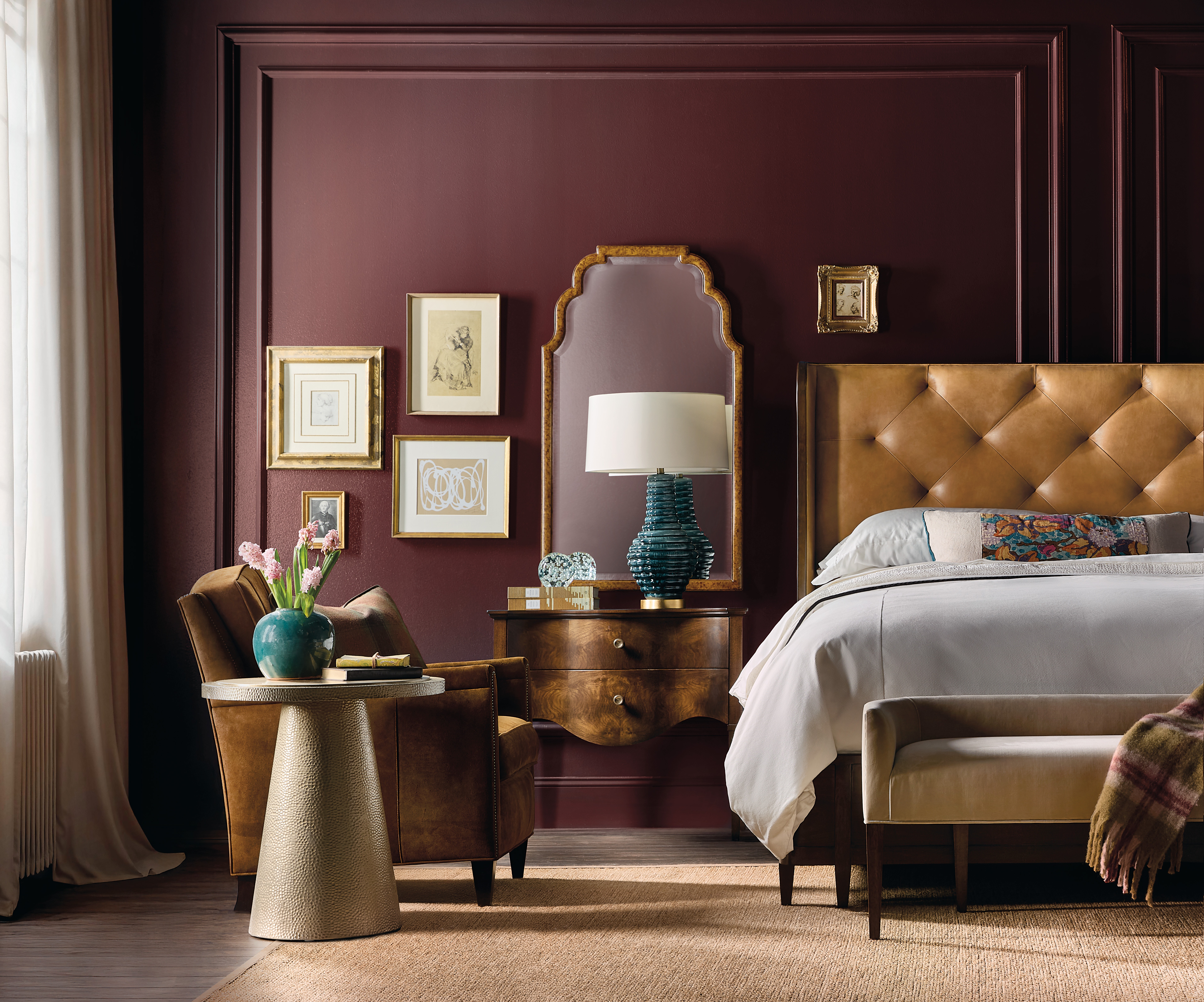
Forget bright whites or basic grays, 2026 is all about earth-inspired hues like warm clay, olive green, deep plum, terracotta, and chocolate brown. These tones create environments that feel welcoming, balanced and emotionally calming.
Sensory impact:
- Sight: Warm colors feel cozy and inviting; they soften harsh contrasts and make spaces feel lived-in.
- Emotion: Earth tones are psychologically grounding and connected to nature, reducing stress and enhancing relaxation.
Try this: Go for color drenching by using a single rich tone across walls, ceiling, and trim — for an enveloping, immersive effect.
2. Natural Materials & Textures That Call You To Touch
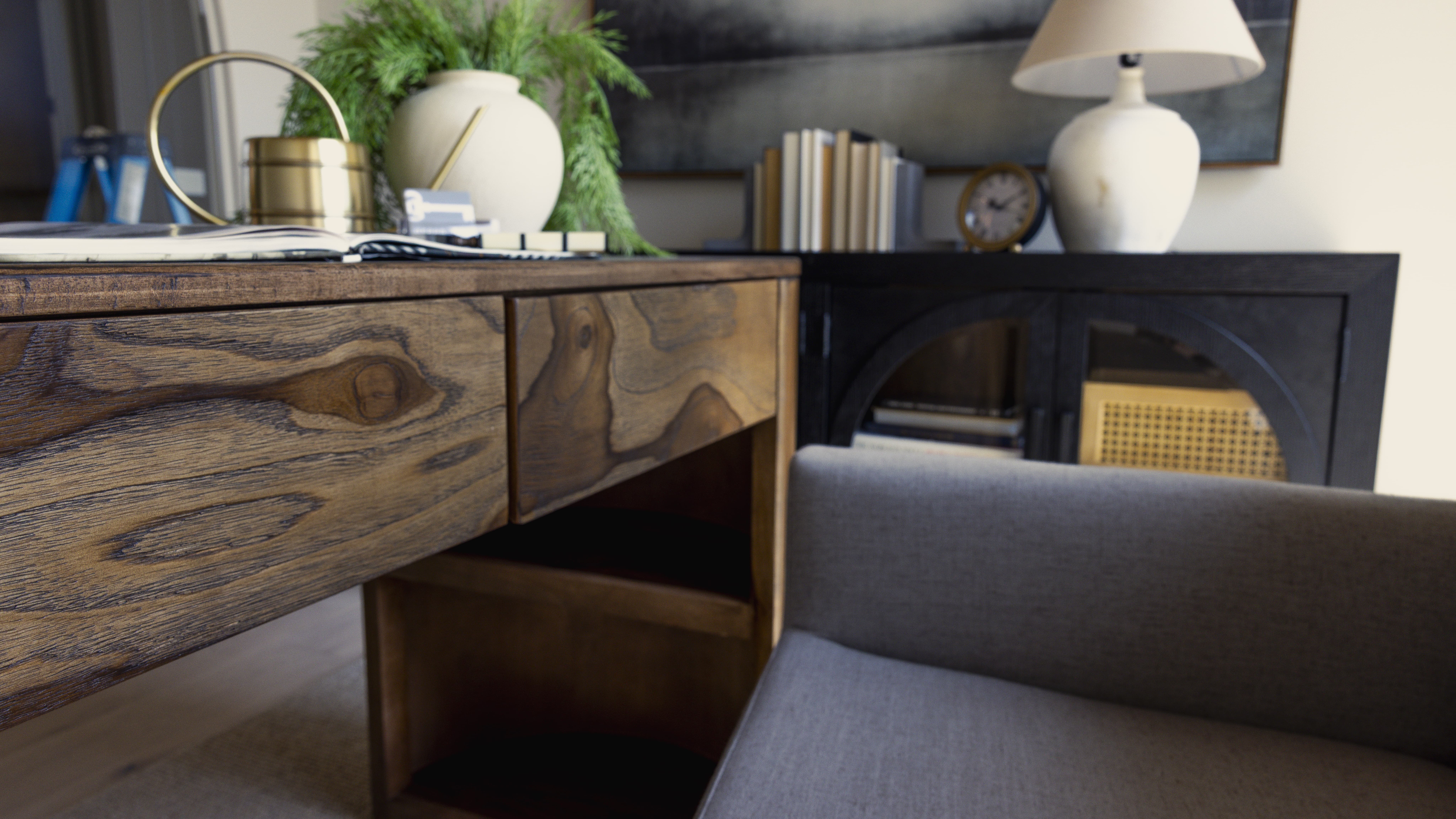
From rattan and linen to stone, clay and varied wood finishes, 2026 design celebrates texture as luxury. Natural materials are being used honestly, imperfections included, to make spaces feel rich and authentic.
Sensory impact:
- Touch: Tactile surfaces (layered textiles, plaster walls, woven fabrics) invite your hand and create a sense of comfort.
- Sight & Feel: Textured elements break visual monotony and evoke warmth, depth, and tactility.
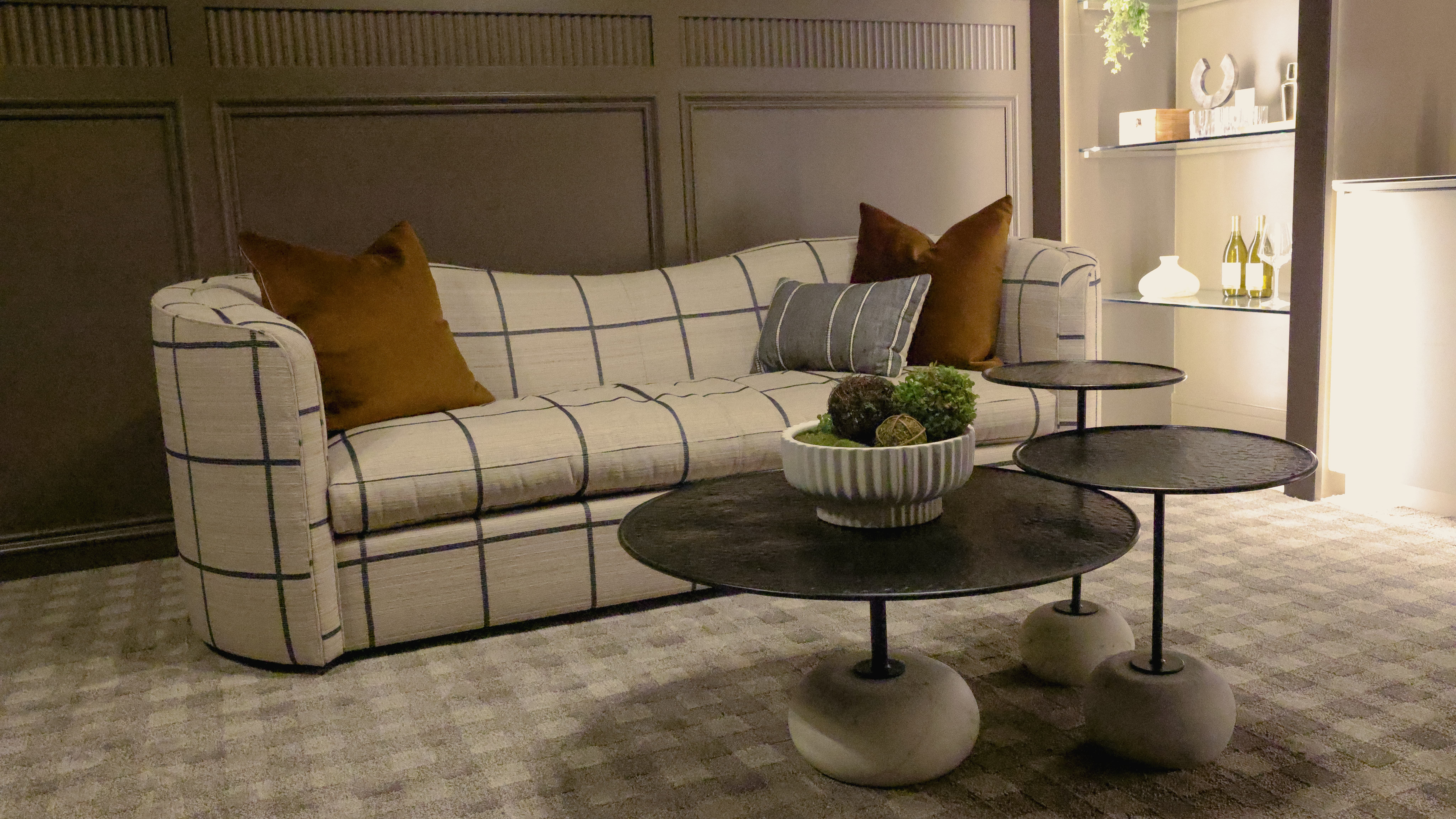
- Pro tip: Layer soft textiles (like wool rugs and linen drapes) with raw materials (bowls of stone or wood side tables) for sensory balance.
3. Curved & Organic Shapes That Soften The Space
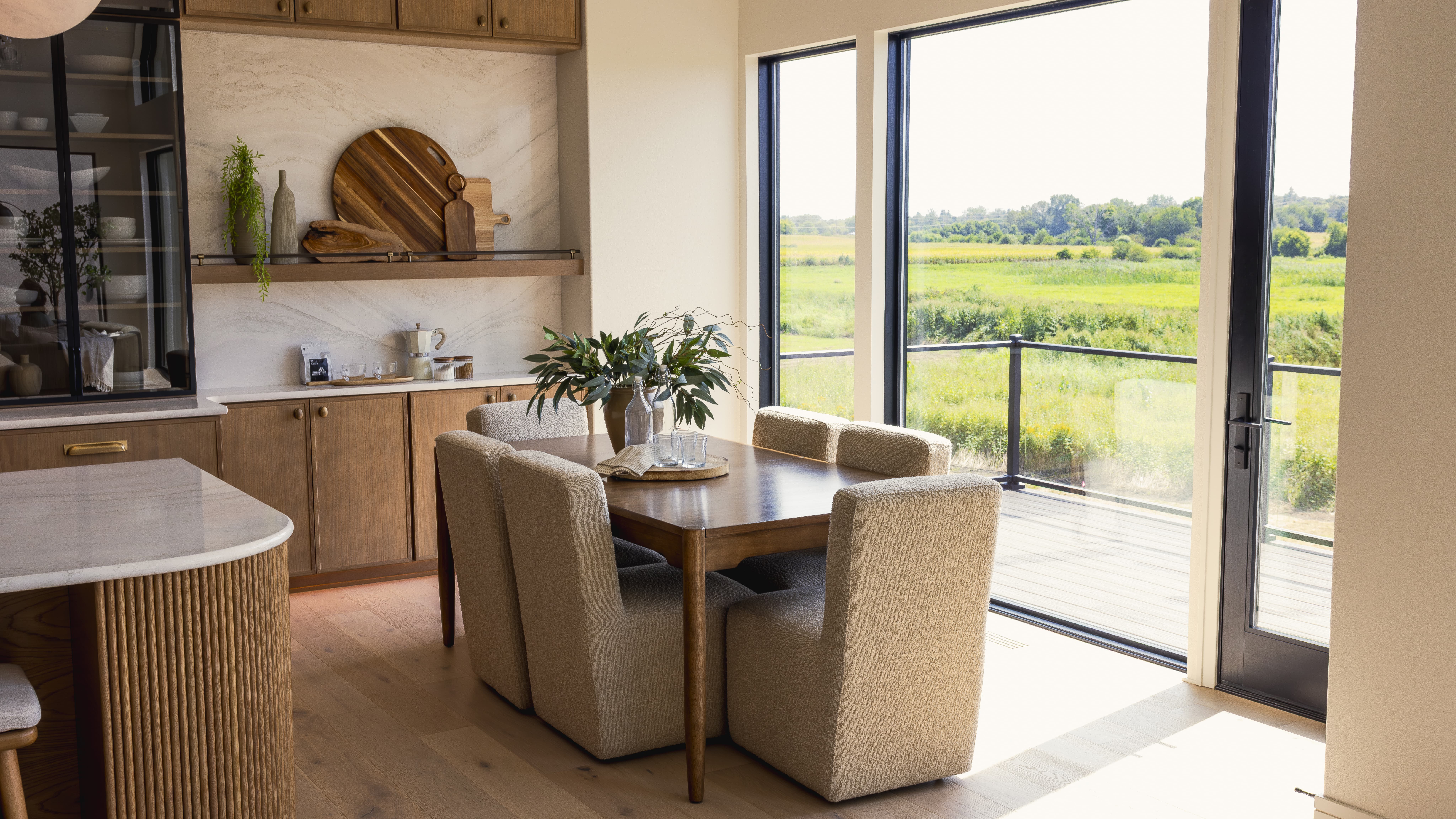
Goodbye rigid right angles; Soft curves and organic silhouettes are taking over furniture and architecture.
Sensory impact:
- Sight & Comfort: Rounded edges feel gentler and more inviting than straight lines, subconsciously signaling ease and low tension.
- Spatial Flow: Organic shapes enhance movement through a room, making spaces feel connected and fluid.
Where to start: Swap a straight-back sofa for a curved one or add arched mirrors and rounded coffee tables.
4. Sensory Design Goes Beyond Sight
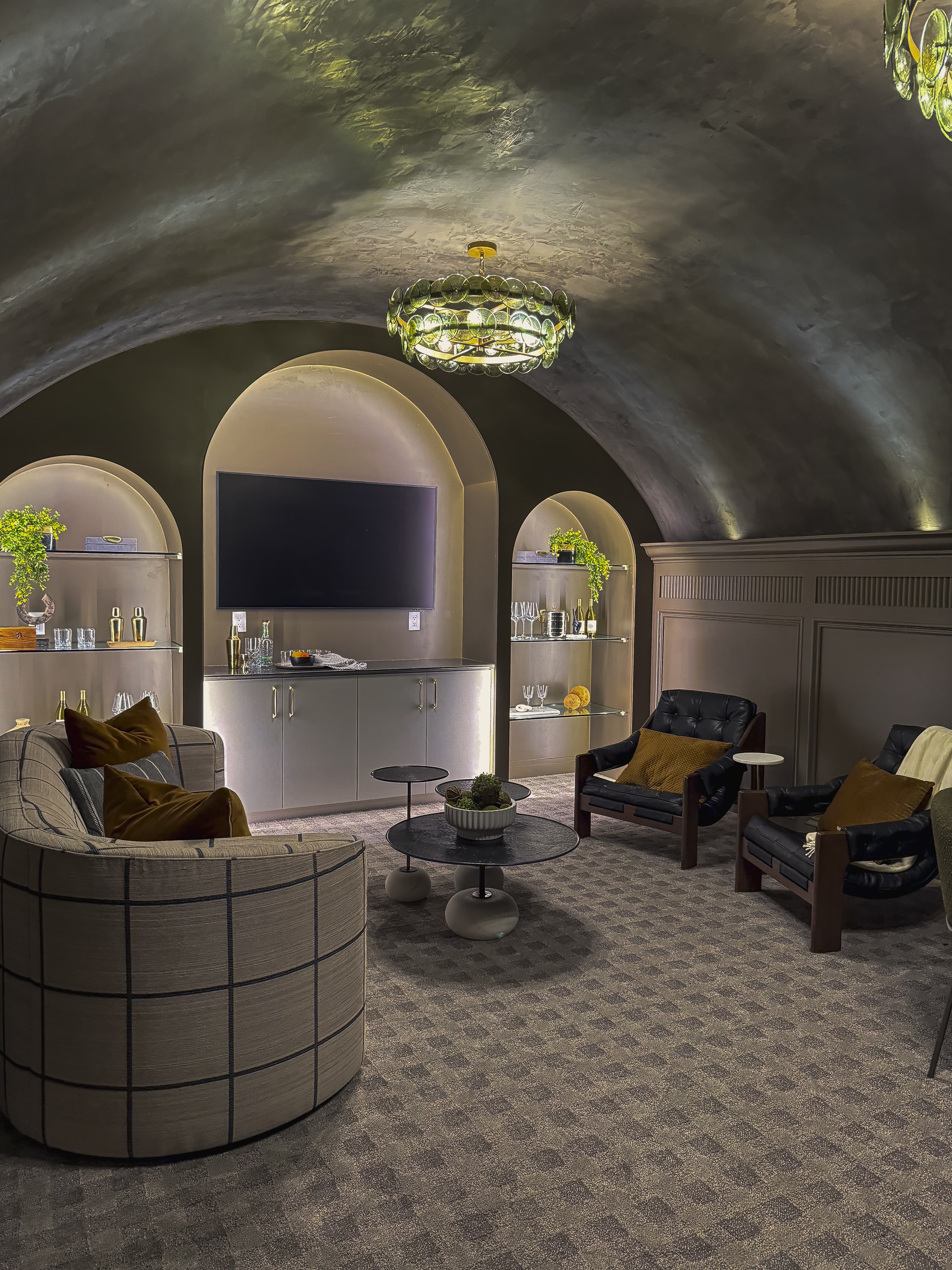
Designers are embracing a sensory approach, where spaces are crafted to impact sound, scent and mood, not just how they look.
Key elements:
- Acoustic comfort: Rugs, wall panels, and plush seating absorb sound for serenity.
- Set a mood: Dark wall color and soft textures on furnishing and upholstry set the tone and the mood your hoping to inspire.
- Natural lighting: Mimicking sunlight patterns can support circadian rhythms and mood.
- Scent layering: Subtle aromatics (like eucalyptus or pine) woven into HVAC or diffusers create a calming or invigorating environment.
- Tactile contrasts: Combining smooth stone with soft fabrics keeps touch experiences dynamic.
- Why it matters: A sensory space shifts from pretty to restorative, giving you a home that not only looks beautiful but feels nourishing and intentional.
5. Sustainability That Feels Stylish (Not Sacrificial)
Eco-friendly design has matured from token “green pieces” into core home design philosophy. Natural, bio-based materials like hemp substitutes, seaweed fabrics and mycelium composites are gaining traction not just for ethics, but for their aesthetic and sensory richness.
Sensory impact:
- Touch: Natural fibers and surfaces have inherent warmth and irregularities that feel authentic.
- Smell: Wood and organic textiles give subtle, pleasant scents that remind us of nature.
Psychology: Spaces that feel healthy through air quality and natural finishes can reduce stress and enhance well-being.
6. Nostalgia Meets Modern Comfort
Reusable vintage pieces, heirlooms, and decor inspired by personal memories add soul to interiors. Rather than copying retro styles, homeowners are curating memories that feel personal.
Sensory impact:
- Sight: Unexpected vintage pieces create visual interest and conversation.
Emotion: Nostalgic elements evoke comfort, rooted identity, and emotional resonance, making a space feel like home more than a showroom.
7. Smart, Invisible Tech That Feels Natural
Tech in 2026 is less about flashy screens and more about seamless, supportive features. Think lighting that mimics daylight cycles, climate controls you don’t see, and systems that boost comfort without disrupting aesthetics.
Sensory impact:
- Light & Mood: Circadian lighting can help support productivity by day and calmness in the evening.
Convenience: Automated comfort (temperature, air quality) makes your environment feel effortless and tailored.
In Summary: What This Means for Your Home & Your Senses
2026 interior design isn’t just about how a room looks, it’s about how it feels, sounds, smells, and resonates emotionally:
Visual richness - warmer colors and layered palettes that invite eye comfort and emotional calm.
Tactile delight - natural textures that encourage touch and presence.
Well-being focus - sensory design that supports your mood, sleep, and daily rituals.
Personal storytelling - curated interiors that reflect your history and personality.
Sustainable comfort - eco-aware choices that feel good on every level.
Related Articles

Empty Nester's Dream Space
5 Ways to go from Kid's Room to Empty Nester's Dream Space

Halloween Entertaining
Creative Ideas for Halloween Entertaining


Patio Season Clear Through Autumn
How To Extend Patio Season Clear Through Autumn
Updated: July 28, 2026