What Is Biophilic Design? How to Bring Nature Indoors
“Biophilic design” may sound like a buzzword from an architecture magazine, but at its heart, it’s a simple concept: designing spaces that connect us with nature.
The word biophilia means “love of life.” Specifically, a love of living things and natural environments. And in today’s world of screens and fast-paced routines, it’s no wonder that people are turning to biophilic design to bring a sense of calm, balance, and beauty into their homes.
But don’t think this trend is just about adding a houseplant or two. Biophilic interiors are all about creating an immersive experience and a space that feels like nature, not just one that includes it. Here’s how to get started.
1. Let in Natural Light, and Lots of It
One of the most important elements of biophilic design is natural light. Our bodies and brains respond positively to daylight. It helps regulate our sleep, improves mood, and even boosts productivity.
How to do it:
-
Keep window treatments light and airy to let in the sunshine
-
Arrange furniture to make the most of bright spots
-
Consider mirrors to reflect light deeper into a room
-
Swap out harsh white bulbs for warm-tone lighting that mimics daylight
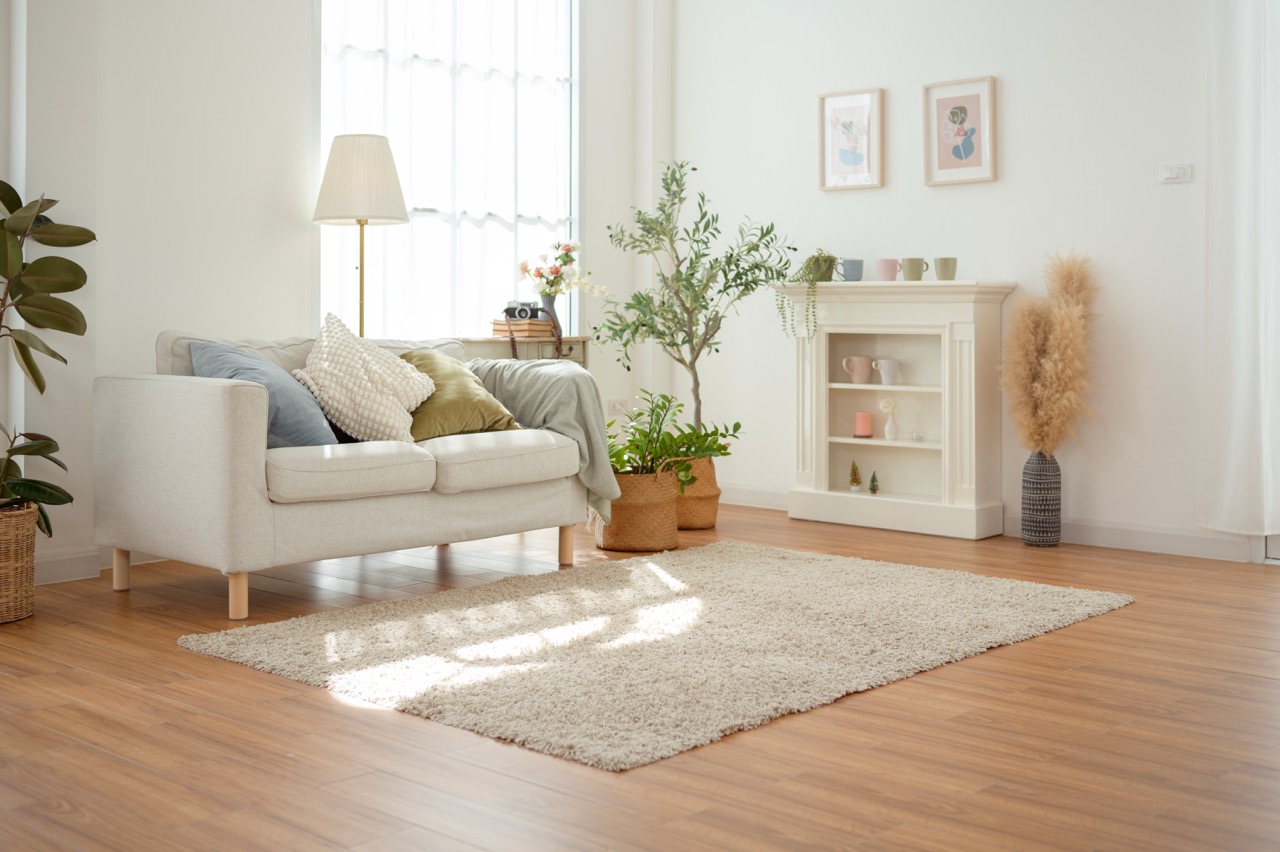
Even small changes like these help you reconnect with the natural rhythms of the day, something biophilic design leans into beautifully.
2. Add Life, Literally
Biophilic design doesn’t just nod to nature, it brings it into your space. Incorporating living elements is one of the easiest and most effective ways to do this.
How to do it:
-
Add houseplants in every room. Bonus points for air-purifying varieties like snake plants or pothos
-
Incorporate a small herb garden in your kitchen window
-
Try a living wall or hanging planters if space is tight
-
Use floral arrangements to bring color and seasonality inside
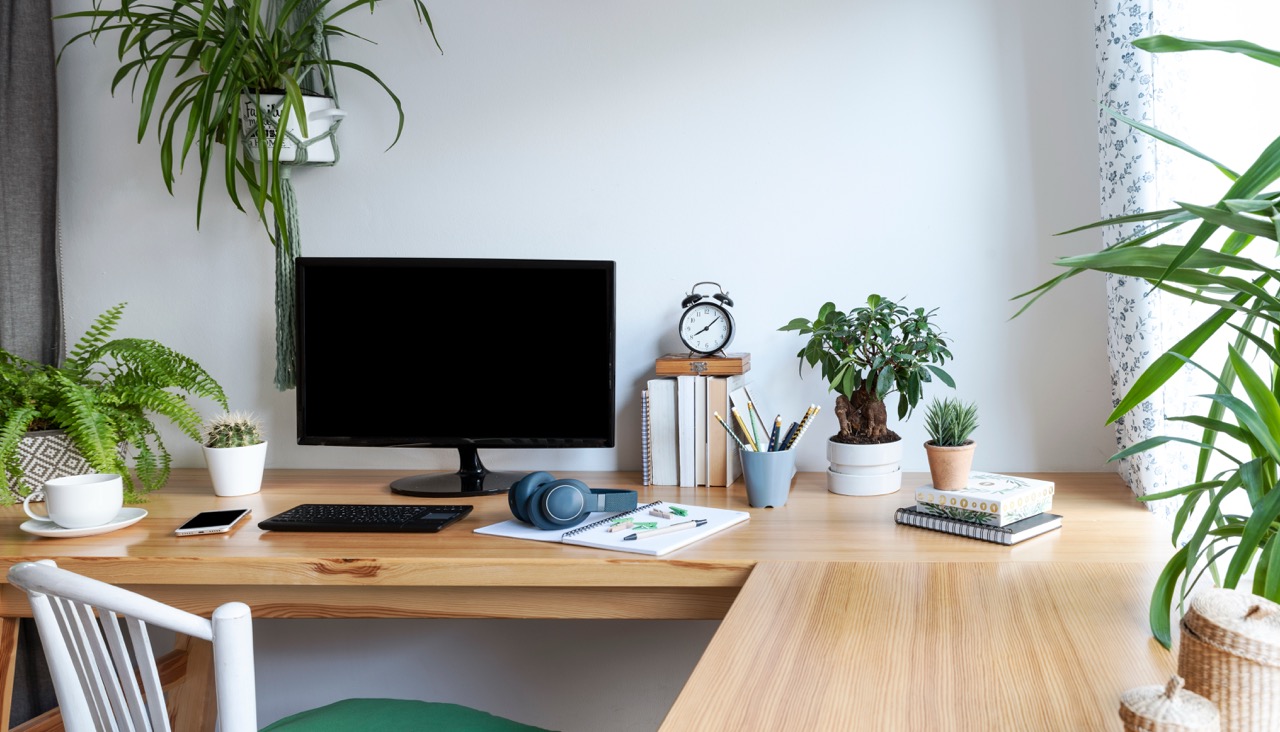
These living touches don’t just look good, they reduce stress and improve air quality too!
3. Use Natural Materials and Textures
One of the most powerful ways to create a sense of nature indoors is by using materials that come from it. But biophilic design goes beyond using wood or stone for aesthetics, it's about how those materials make you feel.
How to do it:
-
Choose wood furniture with visible grain and natural tones
-
Mix in stone, jute, leather, bamboo, or rattan for textural variety
-
Go for fabrics in earth tones or botanical prints
-
Choose rugs and textiles that mimic the irregular textures found in nature
These elements work together to create a sensory-rich environment—one that feels both grounded and soothing. 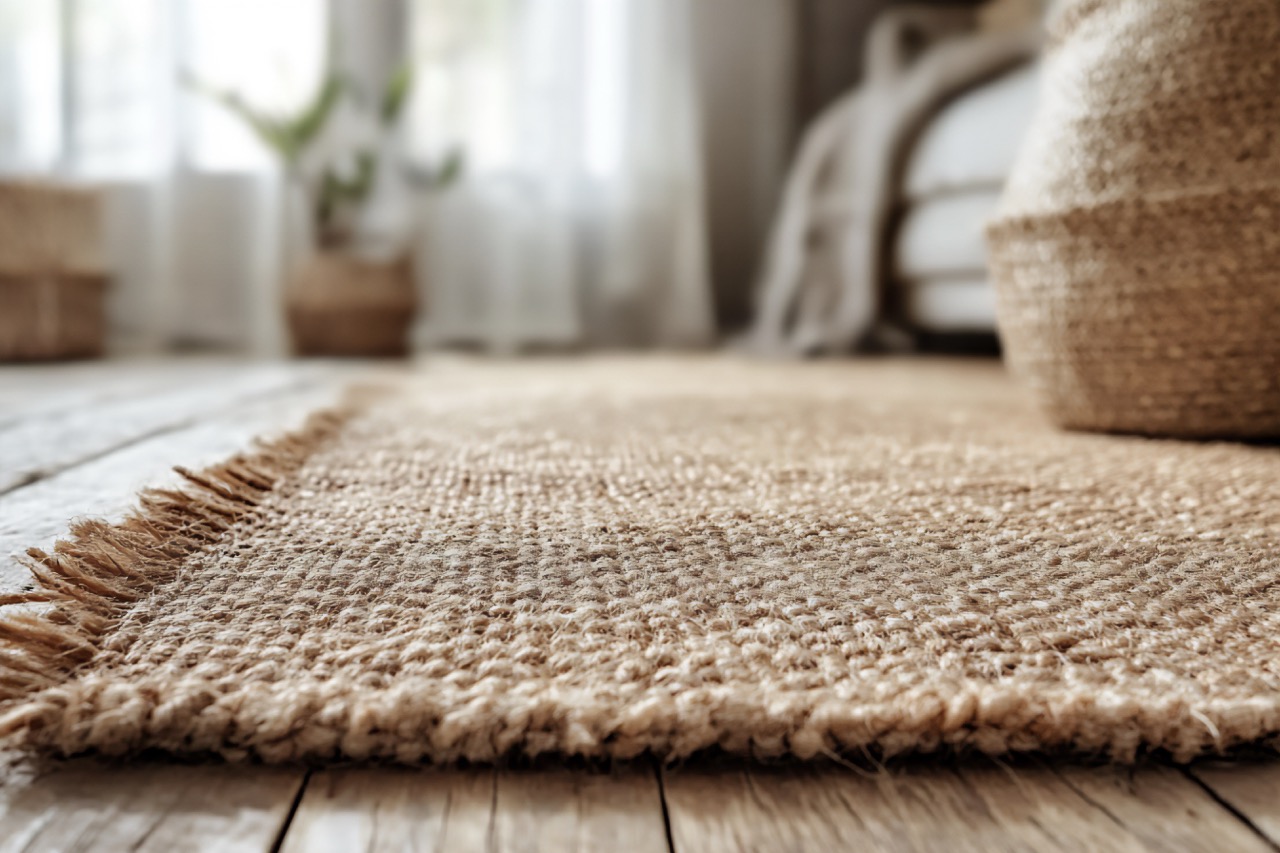
4. Incorporate Natural Shapes and Movement
Biophilic design celebrates the organic. Straight lines and hard edges are replaced with curves, asymmetry, and gentle movement, just like in the natural world.
How to do it:
-
Choose décor and furniture with rounded edges or flowing lines
-
Add water features or light curtains that move with air flow
-
Hang art that features landscapes, botanical forms, or natural textures
-
Use patterns inspired by shells, waves, leaves, or clouds
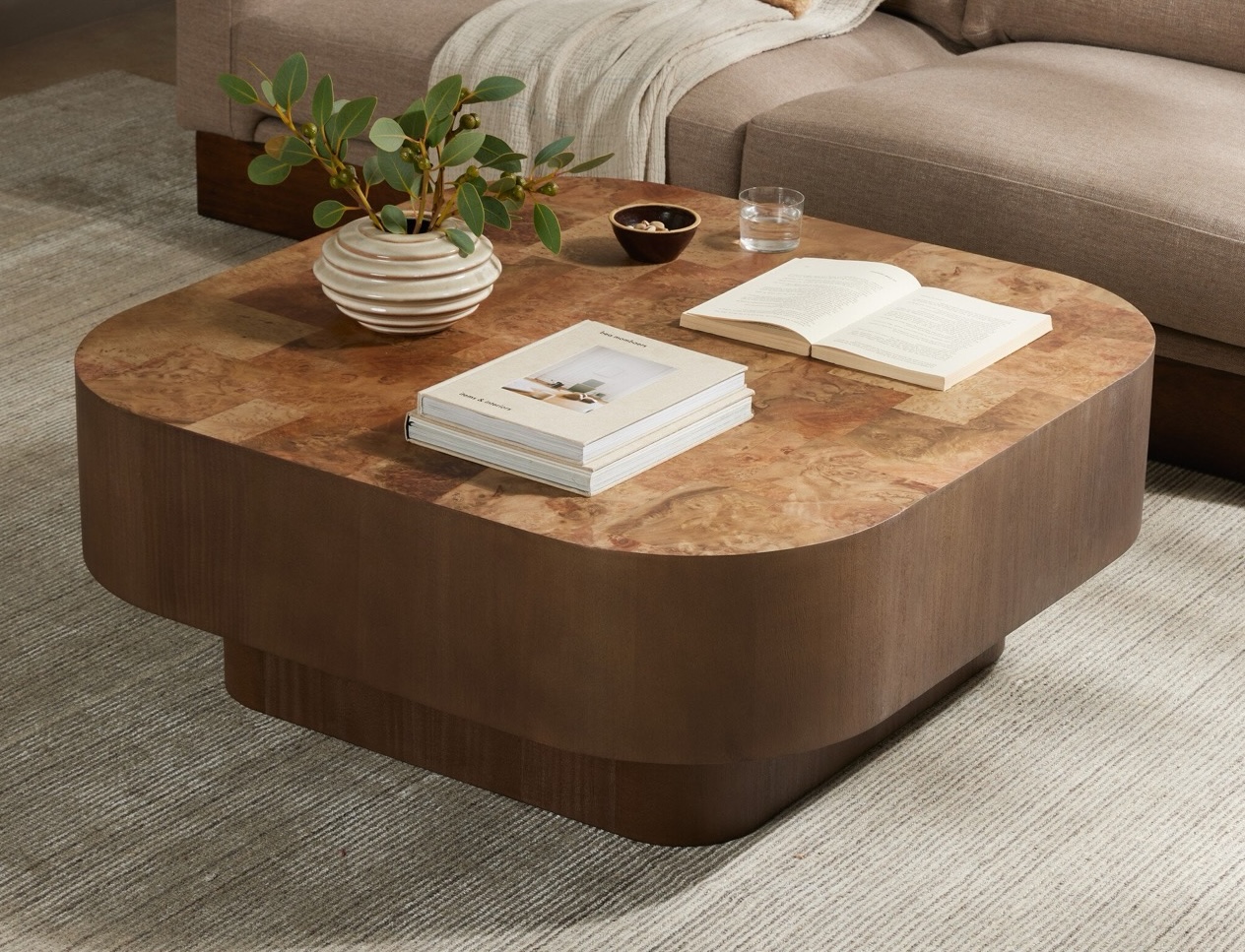
It’s not just about mimicking nature, it’s about creating the experience of being in it.
Ready to Refresh?
Biophilic design invites a deeper connection to the natural world, and your home should be a part of that. Whether you start small with a few houseplants or go all in with wood furniture and woven textures, Homemakers has the pieces to help you bring nature home, beautifully.


Classy Art Tranquil Pathway Framed Canvas Wall Art - 35 x 47


Home Trends and Design Vista Dark Oak Dining Table


Archbold Furniture Mountain Retreat Bedroom Bench in Mahogany
Related Articles

Empty Nester's Dream Space
5 Ways to go from Kid's Room to Empty Nester's Dream Space

Halloween Entertaining
Creative Ideas for Halloween Entertaining


Patio Season Clear Through Autumn
How To Extend Patio Season Clear Through Autumn
Updated: July 28, 2026