How To Select The Right Counter Or Bar Stool - A Buying Guide
What To Consider When Selecting Stools For Your Counter Or Bar
Buying stools sounds simple until you're standing in front of a counter with a tape measurer, wondering why nothing seems to fit right. The single biggest mistake shoppers make is getting the height wrong, but frame construction and upholstery matter just as much for a stool you'll actually enjoy sitting on years from now.
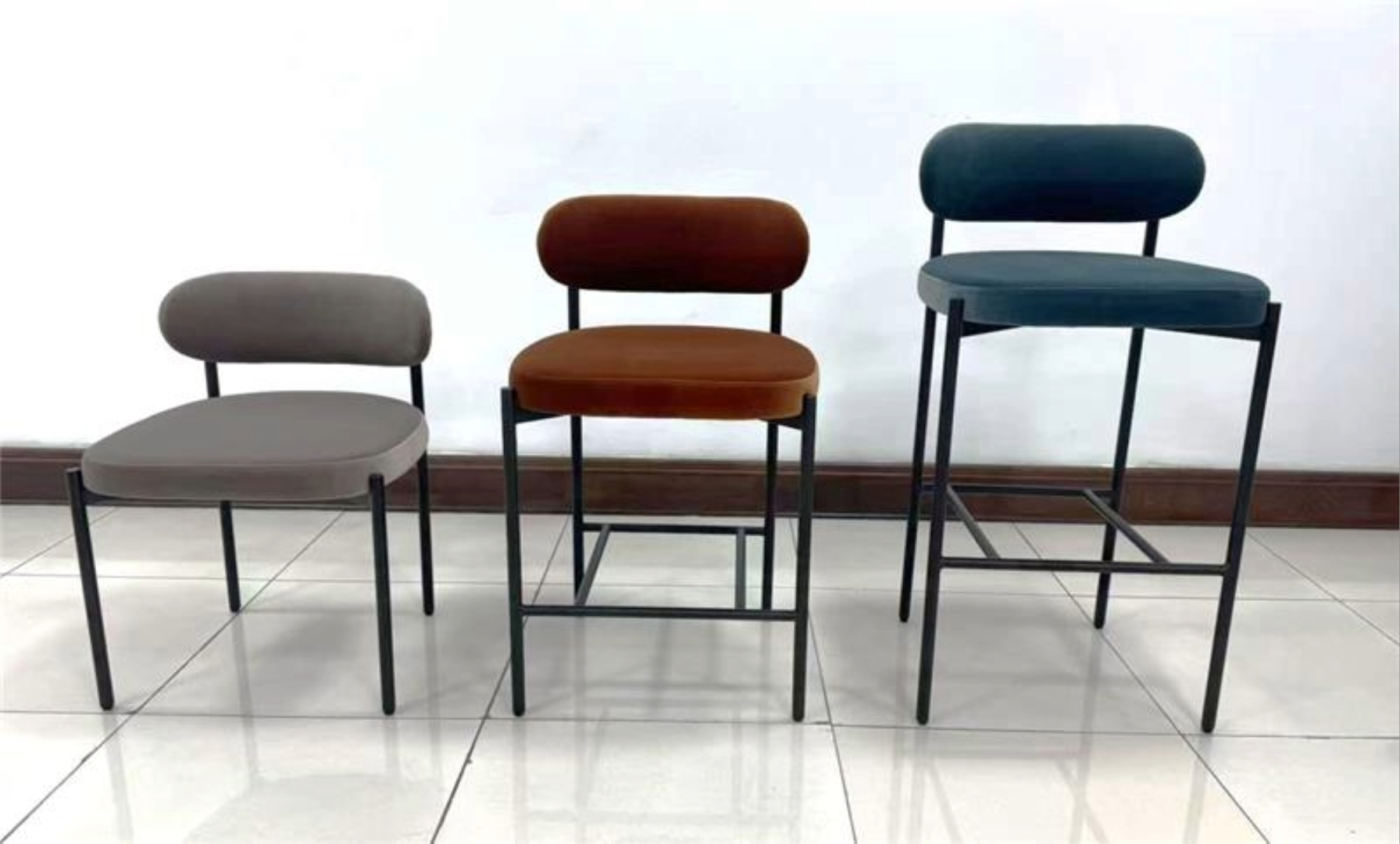
This guide walks you through height, frame and seat materials that hold up to real life, and how to choose between stools with backs and backless designs based on how you'll actually use them.
Start With Height
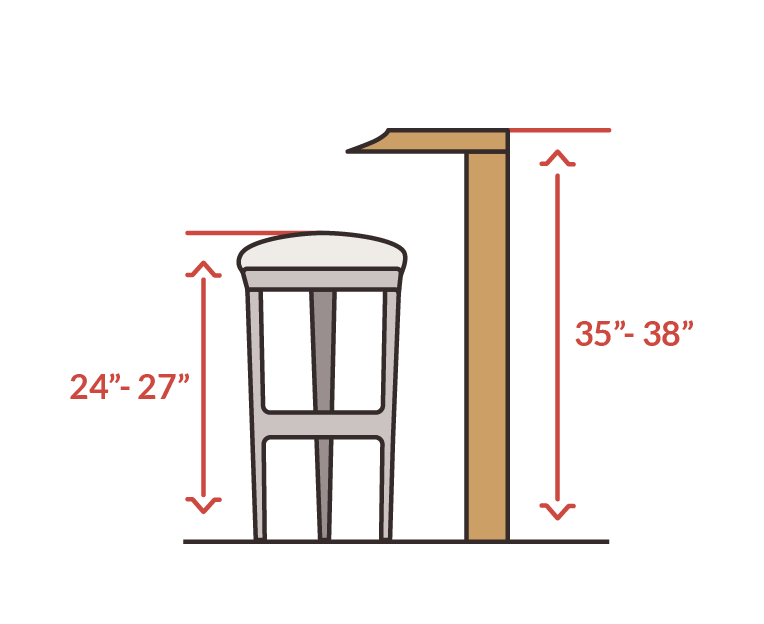
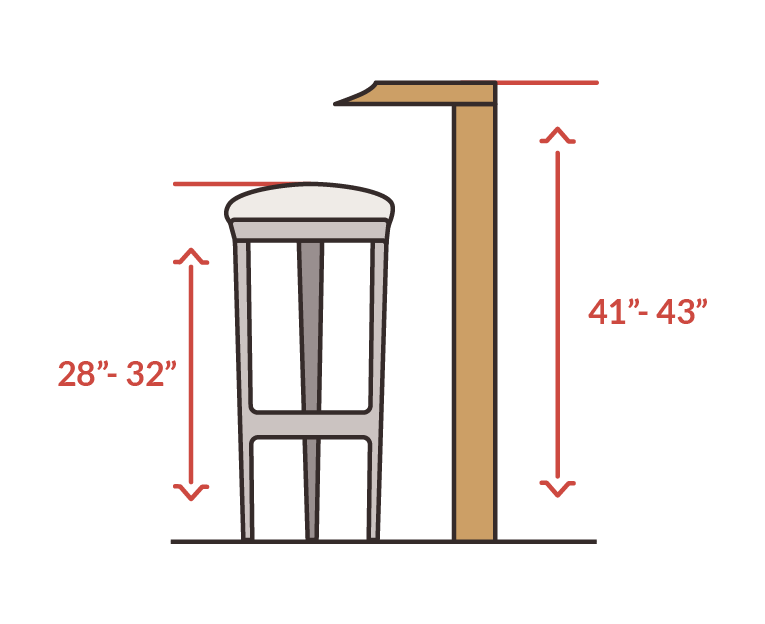
Stool height is measured by the seat height, meaning the distance from the floor to the top of the seat, not the overall height of the stool. That distinction can trip you up, so keep it front of mind.
Here's how the standard categories break down:
|
Stool Type |
Seat Height |
Fits a Surface Height |
|
Chair / table height |
18"–23" |
28"–30" (dining tables) |
|
Counter height |
24"–27" |
35"–36" (standard kitchen counters) |
|
Bar height |
28"–33" |
40"–42" (raised bars, home pubs) |
|
Extra-tall / spectator |
34"–36" |
44"–47" (elevated islands, poker tables) |
Counter Height Stools
Bar Height Stools
Comfort Spacing Between Stools
The 9-to-12-inch clearance rule
You want roughly 9" to 12" of space between the top of the seat and the underside of the counter or bar. Around 10" to 12" is the comfort sweet spot. That gap is what gives your legs room to sit, cross, and slide in and out without banging your knees.
Skip the guesswork and measure:
- Run your tape from the floor to the underside of the counter or bar overhang (the lip where your knees go), not the top surface
- Subtract 10" to 12" and that number is your target seat height
Example: A counter that measures 36" to the underside → 36” to 11” = a 25" seat height, which lands right in counter-stool range.
- Measure the underside first: This accounts for thick countertops, aprons, and overhangs that can steal 2" to 3" of legroom.
- Don't skip this taks: "Counter height" and "bar height" labels are ranges, not guarantees. A 27" counter stool under a thick 36" counter can feel cramped.
Edge case to watch: Waterfall countertops, thick butcher block, and decorative aprons all reduce usable clearance. So do stools with thick seat cushions so a plush 3" cushion effectively raises your seat height once you sit and compress it partway.
How many stools will fit?
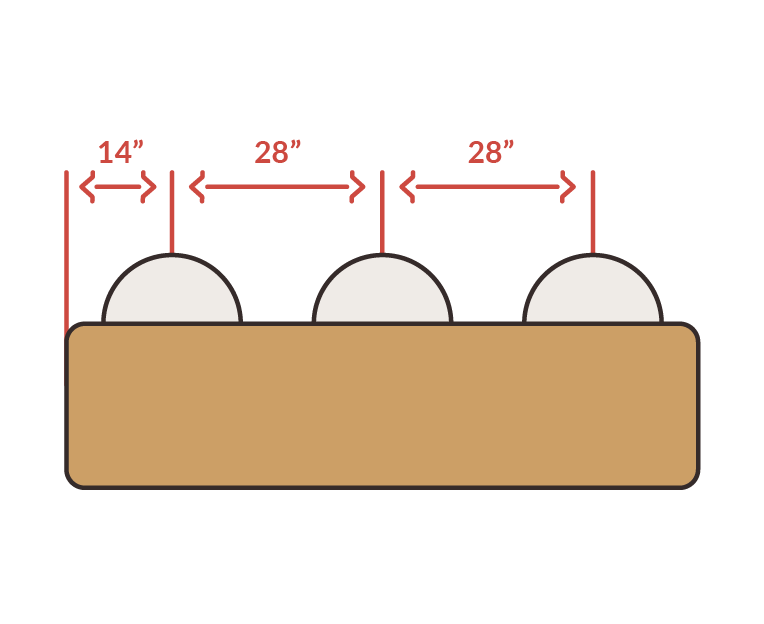
Plan on 26" to 30" between seat centers, or about 6 inches of open space between stools so people aren't bumping elbows. Divide your usable counter length by 28" to get a comfortable count.
- Tip: Swivel stools need slightly more clearance since they rotate. Backless stools can sit a touch closer because they tuck under.
Frame Materials: What Actually Holds Up
The frame is the part that takes the daily abuse: the weight, the dragging, the kid who leans back on two legs. Here's how the common materials compare.
Solid wood (oak, birch, rubberwood, acacia, ash)
- Pros: Warm look, easy to refinish, ages well, hides minor wear. Solid hardwoods handle weight and years of use.
- Cons: Heavier, can dry out or crack in low humidity, joints can loosen over time if poorly built. Susceptible to water rings and scratches if unfinished.
- Best for: Traditional, farmhouse, and transitional kitchens where warmth matters.
Metal (steel, stainless steel, wrought iron, aluminum)
- Pros: Extremely durable, holds tight tolerances, supports higher weight capacities, wipes clean. Powder-coated finishes resist chips and rust.
- Cons: Can feel cold or hard without a cushion, may scratch floors without proper glides, cheaper chrome can pit or rust near sinks and coastal humidity.
- Best for: Modern, industrial, and high-traffic kitchens. Stainless is the pick for anything near moisture.
Engineered Wood / MDF / Particleboard
- Pros: Affordable, consistent, and fine for light or occasional use.
- Cons: Poor moisture resistance (swells if it gets wet), lower weight capacity, hard to repair once a joint fails.
- Best for: Budget builds and low-use spots. Steer away from this for daily family seating.
Construction details that separate good from cheap
These matter more than the material label:
- Welded metal joints beat bolted ones for long-term stability because bolts loosen, welds don't.
- Corner blocks and mortise-and-tenon joinery in wood frames signal quality over staples and glue alone.
- Footrests take the most wear of any part. Look for a metal footrest ring or a metal kickplate over the footrest zone. Also remember that bare wood footrests scuff and wear through finish fast.
- Check the weight capacity rating. 250 lbs. is common; 300+ lbs. signals sturdier engineering.
- Swivel mechanisms should feel smooth with no wobble. A memory-return swivel (spins back to face forward) is a nice touch for tidy kitchens.
- Floor glides protect your flooring and should be replaceable.
Backless vs. Back: Match the Style to How You Sit
There's no universally "better" choice here. It really comes down to how long people sit and how much space you have.
Backless stools
- Pros:
- Tuck completely under the counter, saving floor space and reducing visual clutter
- Let you fit more seats along a run
- Easy to slide in and out from any direction
- Cleaner sightlines in open-concept kitchens
- Cons:
- No back or lumbar support; less comfortable for long sitting
- Easier to sit on the edge and lose balance for kids or older adults
- Best for: Quick breakfasts, coffee, homework check-ins, tighter kitchens, and anyone who values a streamlined look.
Stools with backs
Backs come in a few styles, primarily low-back (partial support, still tucks partway), full-back (dining-chair comfort), and bucket/curved (wraps for extra support).
- Pros:
- Real back support for lingering meals, conversation, and working from the counter
- Feel safer and more secure, especially for kids and older family members
- Read as more "finished" in formal or transitional spaces
- Cons:
- Take up more room and don't tuck fully away
- Fit fewer seats per run
- Can visually crowd a small or open kitchen
- Best for: Homes where the counter doubles as a hangout or dining spot, and anyone who sits for more than a few minutes at a time.
Two more comfort variables worth deciding on
- Arms vs. armless: Arms add comfort but eat space and often prevent tucking under the counter. Armless fits more seats and stays flexible.
- Swivel vs. stationary: Swivels make it easy to get in and out and turn to talk; stationary stools feel more solid and traditional. Memory-return swivels give you the convenience without the "which way is it facing" clutter.
Upholstery & Seat Materials: Durable and Easy to Clean
This is where "durable" and "easy to clean" can pull in different directions, so match the seat to your household. Kids, pets, and messy eaters change the answer.
Genuine leather (top-grain / full-grain)
- Pros: Ages beautifully, wipes clean, extremely durable, naturally somewhat spill-resistant.
- Cons: Priciest option, can scratch (though patina often looks intentional), needs occasional conditioning, sensitive to prolonged sun.
- Cleanability: High when spills are wiped promptly; condition a few times a year.
Commercial-grade vinyl / performance PU
- Pros: Wipes clean instantly, water- and stain-resistant, great with kids and pets, affordable.
- Cons: Less expensive versions crack or peel over a few years; can feel warm/sticky in summer.
Poly leather
- Pros: Good price point and looks nice
- Cons: Avoid for high use seating. It can flake off with rough use, or strong cleaning agents.
- Cleanability: Very high for true vinyl/PU, usually a warm damp cloth.
Performance fabric
Fabric is comfortable and forgiving on temperature, and modern performance fabrics clean up far better than traditional ones. Two specs tell you how it'll hold up:
Double-rub count (abrasion resistance):
- 15,000+ double rubs = solid heavy-duty residential use
- 30,000+ double rubs = commercial-grade, ideal for daily family seating
- (This is roughly the U.S. equivalent of the European Martindale rating you'll sometimes see instead.)
General recommendation: For a busy family kitchen, commercial-grade vinyl or a 30,000+ double-rub W/S performance fabric gives you the best balance of comfort, durability, and easy cleanup. Save genuine leather for lower-traffic or design-forward spaces where the patina is a feature.
Non-upholstered (wood or metal seats)
- Pros: Nothing to stain, nothing to tear, wipes-clean, lowest maintenance.
- Cons: Least comfortable for long sits; a seat cushion or pad helps.
- Best for: High-mess zones, occasional use, and anyone who prioritizes cleanup over cushioning.
Quick Decision Recap
- Height: Get this right first. Measure floor to counter underside, subtract 10" to12", match to seat height. This one step prevents most returns.
- Frame: Metal or solid hardwood for daily use; prioritize welded joints, a metal footrest, and a 300 lb capacity. Skip engineered wood for heavy use.
- Seat: Commercial vinyl or 30,000+ double-rub W/S fabric for families; genuine leather for design and longevity; bare wood/metal for the lowest maintenance.
- Back style: Backless to save space and seat more people; backed for comfort and longer sits. Decide on arms and swivel based on space and who's sitting.