Furniture Safety 101: Protect Your Home From Tip-Overs and Pinch Hazards
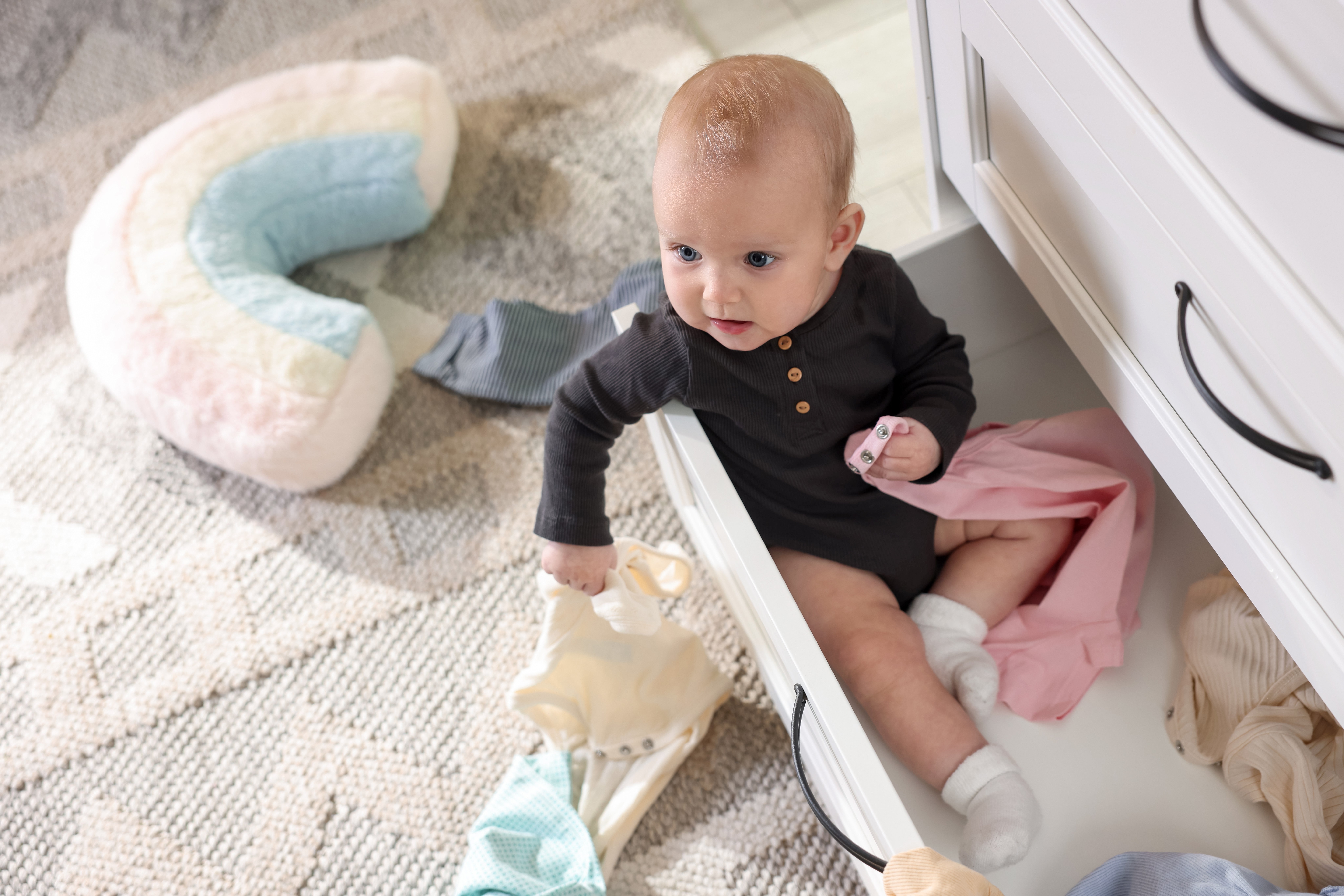
Whether you’re childproofing a nursery or simply making your home safer and more organized, understanding furniture safety is essential. Each year, tip-overs and unsecured drawers or cabinets cause thousands of injuries, many of them preventable with the right knowledge and equipment.
|
|
Let’s walk through:
- Why furniture mounting matters
- The best hardware to mount furniture securely
- Tips for keeping drawers and doors safe
- Recommended products and how to use them
Why Furniture Safety Matters
Tall and heavy furniture such as bookcases, dressers, armoires, and media consoles, can topple if pulled, leaned on, or unbalanced. This is especially dangerous in homes with kids or pets.
A dresser falling forward can be deadly, which is why agencies like the U.S. Consumer Product Safety Commission (CPSC) recommend anchoring heavy furniture to studs or using strong wall anchors whenever possible.
But furniture safety isn’t just about preventing tip-overs. Cabinet doors and drawers pose their own hazards:
- Pinched fingers
- Access to chemicals or fragile items
- Pulling out multiple drawers and destabilizing the unit
Let’s break down how to tackle these issues room by room.
Mounting Furniture to Walls: The Basics
1. Locate Wall Studs
Studs are vertical wood (or metal) beams behind drywall. Mounting into a stud gives you the strongest hold. Use a stud finder to locate them.
2. Choose the Right Anchor Hardware
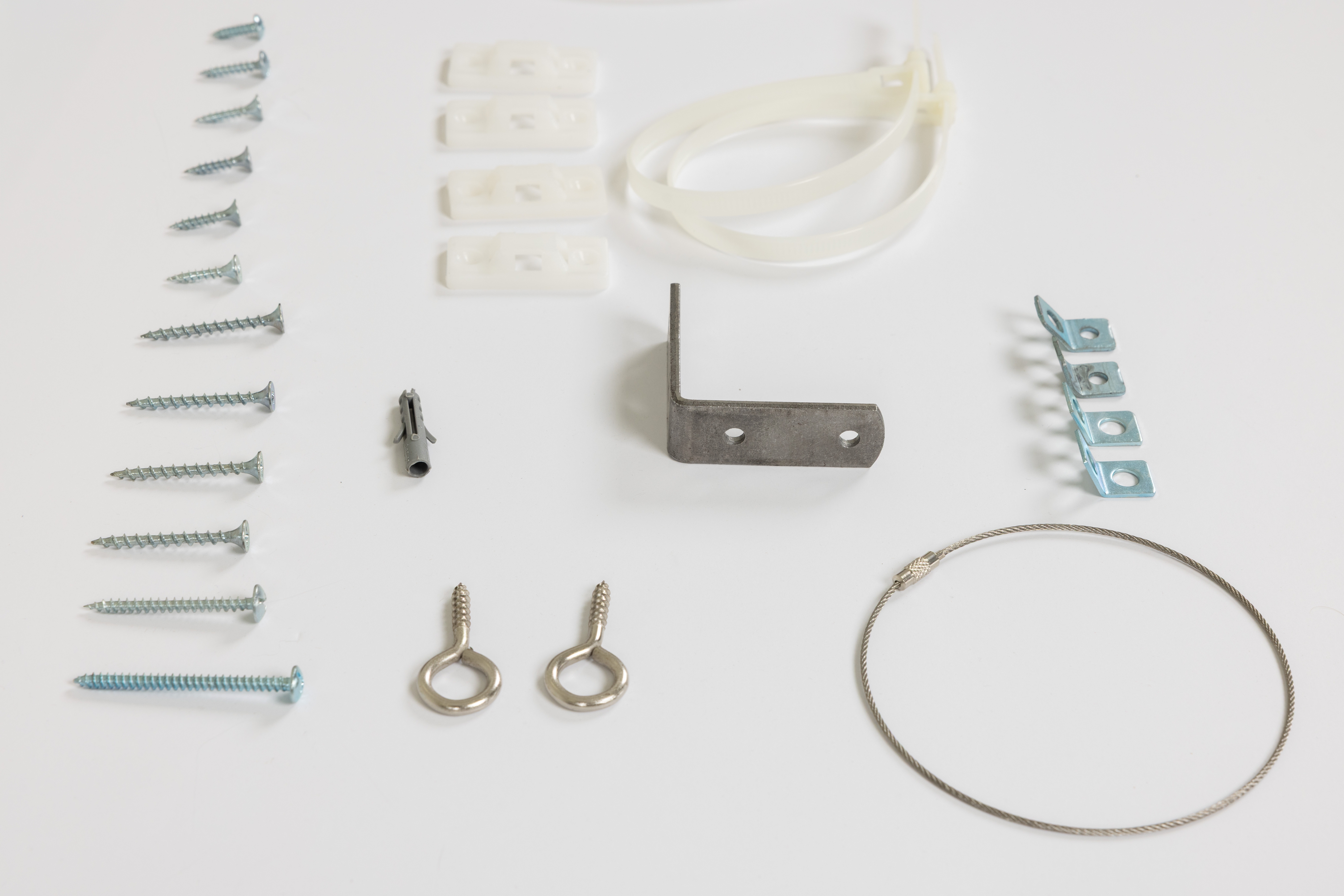
Furniture mounting hardware varies by wall type (drywall, plaster, masonry) and furniture weight.
Here are common types and when to use them:
|
Hardware |
Use Case |
Pros/Cons |
|
Anti-Tip Straps |
Most furniture (dressers, bookcases) |
Flexible and strong; easy to install |
|
L-Brackets |
Heavy or shallow furniture |
Strong steel bracket; may require drilling |
|
Toggle Bolts |
Hollow drywall, no studs |
Stronger than plastic anchors; more complex install |
|
Molly Bolts |
Medium loads |
Good alternative if studs aren’t reachable |
|
Concrete Anchors |
Brick or concrete walls |
Designed for solid walls; great load capacity |
Anti-Tip Straps (Best Overall)
Anti-tip straps are often the simplest and most effective option for securing furniture:
- What they are: Strong fabric or metal straps that anchor furniture to a wall
- Why use them: They allow some movement but prevent full tip-over
- Good for: Dressers, tall bookshelves, TVs on stands
Example hardware:
- Heavy-duty anti-tip straps (rated for 100+ lbs)
- Furniture safety kits with multiple straps
Pro tip: Always attach one end of the strap to a stud when possible for maximum strength.
Step-by-Step: Installing Anti-Tip Straps
- Mark the stud location on the wall where the top of the furniture sits.
- Attach the strap to furniture (back/top frame) using included screws.
- Secure the other end to the stud using a wood screw.
- Adjust tension until the furniture sits snugly but flat against the wall.
If you can’t reach a stud:
- Use toggle bolts or molly bolts in drywall
- Avoid simple plastic anchors because often they are not strong enough
Door And Drawer Safety
Curiosity is as much for small children as it is for cats. Keep your kids, and your goods safe by making doors and drawers a challenging.
Don't overlook the refridgerator and stove. Strong magnetic locks can make those impossible to open.
Door and Drawer locks help prevent:
- Pinched fingers
- Choking hazard
- Broken items
- Access to chemicals or fragile items


Recommended Safety Products & When to Use Them
|
Product Type |
Best For |
Key Benefits |
|
Magnetic Cabinet Locks |
Kitchens, bathrooms |
Hidden, childproof |
|
Mechanical Drawer/Cabinet Locks |
Anywhere access is a concern |
Cost-effective |
|
Drawer Stops |
Any drawers |
Prevent full removal & tipping |
|
Soft-Close Drawer Slides |
Kids’ rooms |
Reduce slamming & pinch risks |
Pro tip: Look for products that list weight ratings and clear installation instructions. Always follow the manufacturer’s guidance.
A Safer Home, One Anchor at a Time
Furniture safety isn’t just a checklist, it’s peace of mind. Whether you’re securing a bookshelf in your living room, locking up cabinets in a kid’s room, or adding drawer stops, these solutions reduce serious risk with minimal effort.
Your home should be a place of comfort, not danger. With the right tools and a bit of elbow grease, you can make it genuinely safe for everyone under your roof.
Related Articles

Van Life Made Cozy
Van Life, Made Cozy: How Furniture, Storage & Home Touches Turn A Van Into A Home


Using A Digital Room Planner