How to Clean a Variety of Fabrics Using Low Toxin Methods
This guide walks through fabric‑specific, low‑toxicity cleaning methods that are effective, accessible and gentle on both your home and the planet. They just might even save you some money!
|
|

Keeping fabrics clean doesn’t have to mean filling your home with harsh chemicals or overpowering fragrances. With a thoughtful, low‑toxin approach, you can care for everyday textiles, clothing, upholstery, rugs, and delicate fabrics while protecting indoor air quality, sensitive skin and the longevity of your materials.
Why Choose Low‑Toxin Fabric Cleaning?
Traditional cleaners often contain synthetic fragrances, optical brighteners and residues that linger in fibers. These can contribute to skin irritation, respiratory sensitivity and fabric breakdown over time.
Low‑toxin cleaning methods:
- Reduce chemical residue left behind in fabrics
- Support healthier indoor air quality
- Are safer for children, pets and sensitive individuals
- Extend the life and feel of textiles
The goal is not perfection, but balance: clean, fresh fabrics without unnecessary chemical load.
Core Low‑Toxin Cleaning Staples
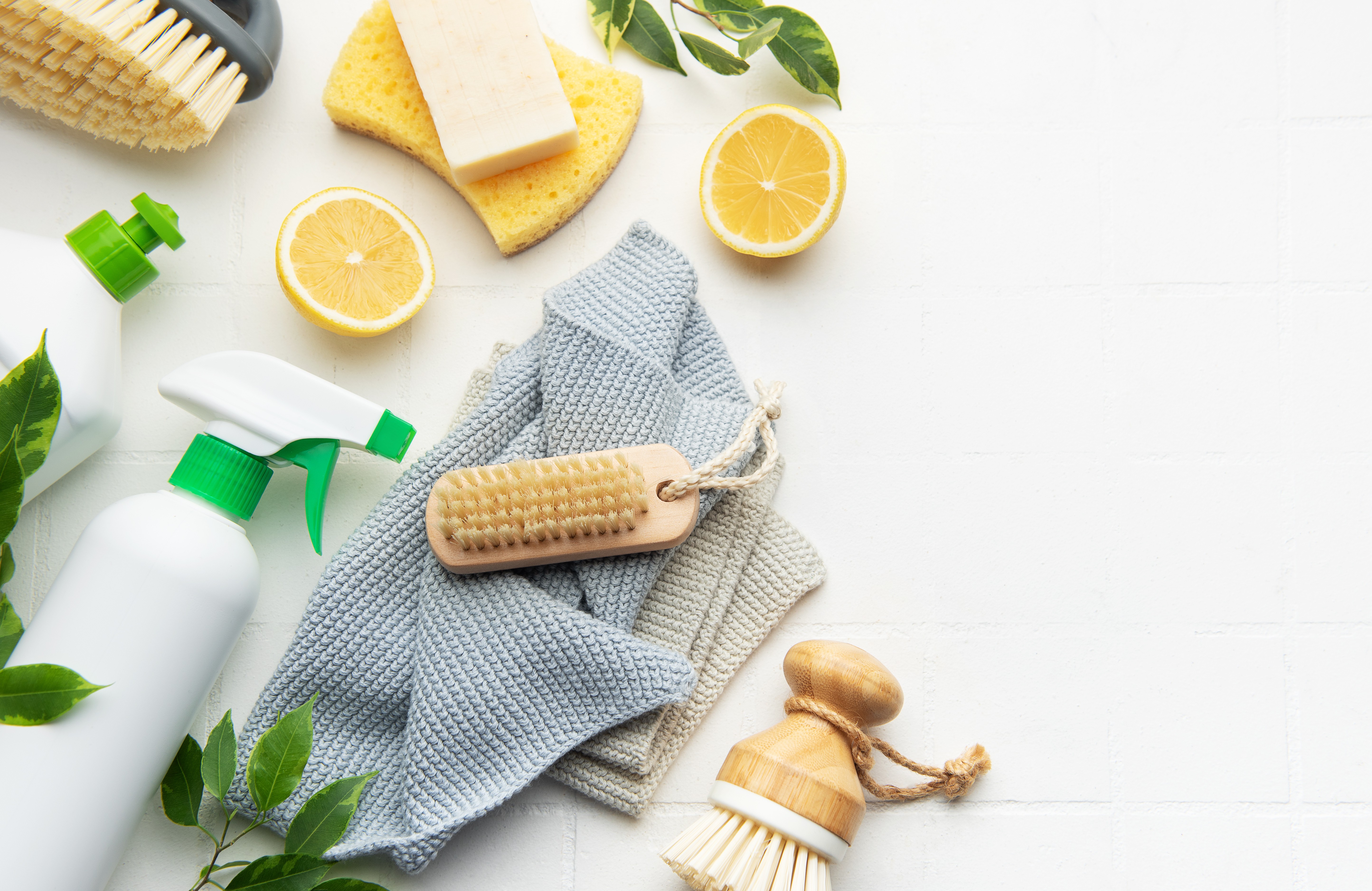
Before diving into fabric types, it helps to build a small toolkit of versatile, low‑impact ingredients:
- Baking soda – deodorizes and gently lifts dirt
- White distilled vinegar – breaks down odors and residue
- Castile soap – plant‑based, mild surfactant
- Washing soda – stronger than baking soda for heavy soil (use sparingly)
- Hydrogen peroxide (3%) – oxygen‑based stain remover
- Essential oils (optional) – for light scent, used cautiously
- Microfiber or cotton cloths – effective without chemicals
These basics can handle most fabric cleaning needs when used correctly.
Cotton & Linen
Common uses: Clothing, sheets, towels, slipcovers
Low‑toxin method:
- Wash in warm or cool water using a fragrance‑free, plant‑based detergent
- Add ½ cup baking soda to boost cleaning power
- Use ½ cup white vinegar in the rinse cycle to soften fibers and remove residue
Stain tips:
- Pretreat with a paste of baking soda and water
- For organic stains, use diluted hydrogen peroxide (test first)
Why it works: Cotton and linen are durable and respond well to simple, mineral‑based cleaners without needing enzymes or synthetic additives.

Wool
Common uses: Sweaters, blankets, rugs, upholstery
Low‑toxin method:
- Spot clean when possible using diluted Castile soap
- Hand wash in cool water if needed
- Gently press out water - never wring
- Lay flat to dry
Deodorizing wool:
- Sprinkle baking soda, let sit for several hours, then vacuum
- Air outside in indirect sunlight
Why it works: Wool is naturally odor‑resistant and antibacterial; over‑cleaning with harsh products can damage fibers.
Silk
Common uses: Clothing, drapery, decorative pillows
Low‑toxin method:
- Hand wash in cool water with a few drops of mild Castile soap
- Swish gently, no soaking
- Rinse thoroughly and roll in a towel to remove moisture
What to avoid:
- Vinegar, baking soda, or enzymes (they weaken silk fibers)
Why it works: Silk requires minimal intervention, gentle surfactants and cool water preserve its structure and sheen.
Synthetic Fabrics (Polyester, Nylon, Acrylic)
Common uses: Performance clothing, upholstery, rugs
Low‑toxin method:
- Wash in cool water to prevent microplastic shedding
- Use minimal detergent; more soap equals more residue
- Add vinegar in the rinse cycle to reduce odors
Odor control:
- Soak briefly in water with baking soda before washing
Why it works: Synthetic fibers trap oils and odors; low‑residue methods clean without coating fibers in fragrance or softeners.
Upholstery & Furniture Fabrics
Low‑toxin method:
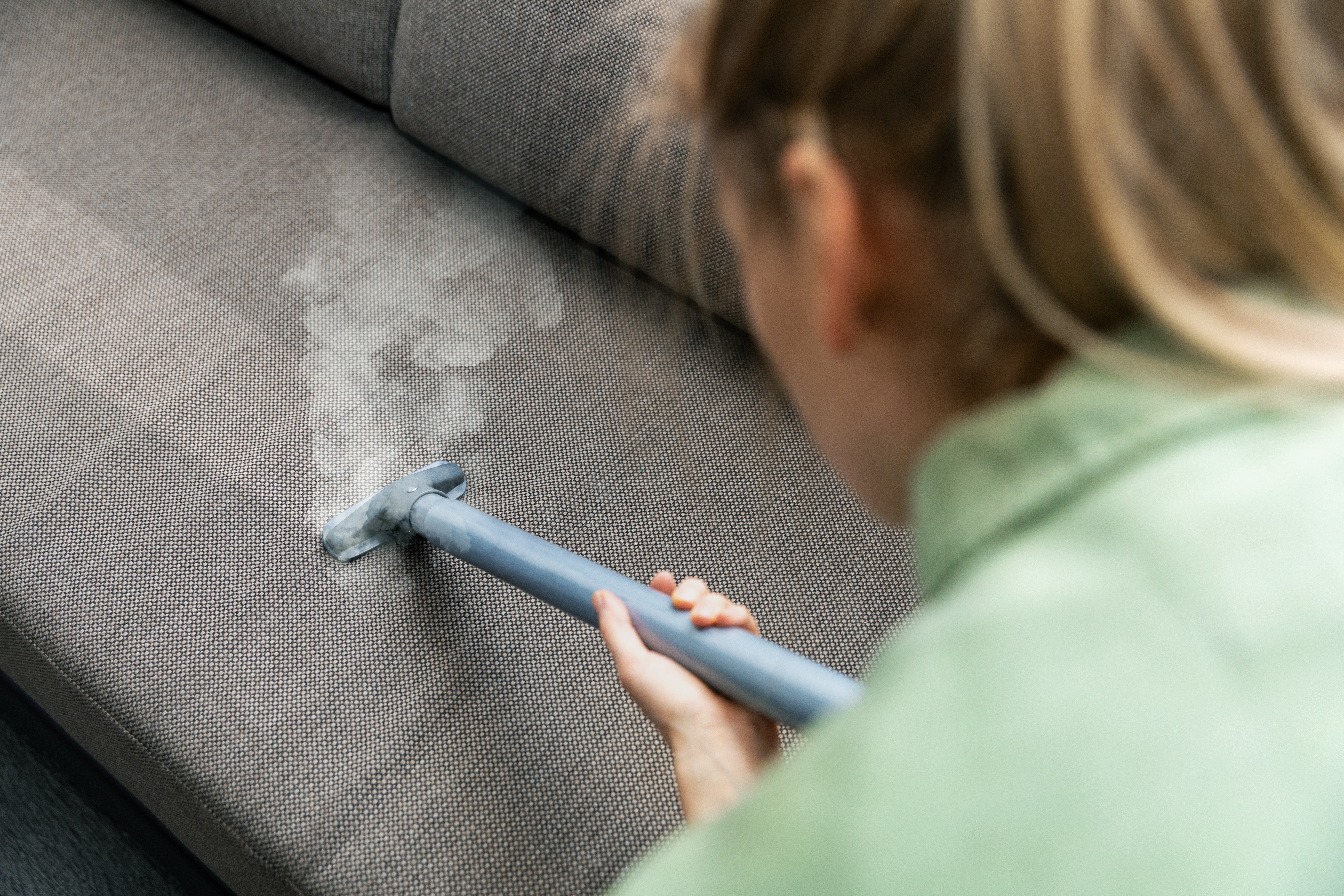
- Vacuum regularly using a HEPA‑filter vacuum
- Spot clean with diluted Castile soap and warm water
- Blot, don’t scrub
Deodorizing:
- Lightly sprinkle baking soda, let sit, vacuum thoroughly
For deeper cleaning:
- Use steam cleaning with plain water or a mild, fragrance‑free solution
Why it works: Mechanical cleaning (vacuum + steam) does most of the work, minimizing the need for chemical cleaners.
Area Rugs & Carpets
Low‑toxin method:
- Vacuum frequently and slowly
- Spot treat stains with baking soda paste or diluted vinegar (test first)
- Rinse with clean water and blot dry
Wool or natural fiber rugs:
- Avoid soaking
- Use dry methods like baking soda and gentle vacuuming
Why it works: Regular maintenance reduces the need for aggressive chemical carpet cleaners.
Delicate & Specialty Fabrics (Velvet, Antique Textiles)
Best practice:
- Minimal cleaning
- Dry brushing or vacuuming with a soft attachment
- Spot test everything
When in doubt, consult a professional cleaner experienced in low‑chemical or conservation‑grade methods
Scenting Fabrics Naturally (Optional)
If you enjoy lightly scented fabrics:
- Add a few drops of essential oil to wool dryer balls
- Mist linens lightly with distilled water and essential oil
- Allow fabrics to air outdoors
Avoid adding essential oils directly to wash water, as they can stain or build up in fibers.

When It All Comes Out In The Wash...
Low‑toxin fabric cleaning is less about special products and more about restraint. Using fewer ingredients, cooler water, and gentler methods not only supports a healthier home, it preserves the beauty, texture, and longevity of your fabrics.
Clean doesn’t have to smell loud. Sometimes, the best‑cleaned fabric simply smells like nothing at all.
Related Articles

Van Life Made Cozy
Van Life, Made Cozy: How Furniture, Storage & Home Touches Turn A Van Into A Home


Using A Digital Room Planner