8 Ways To Organize Your Home For Calmer Back-To-School Mornings
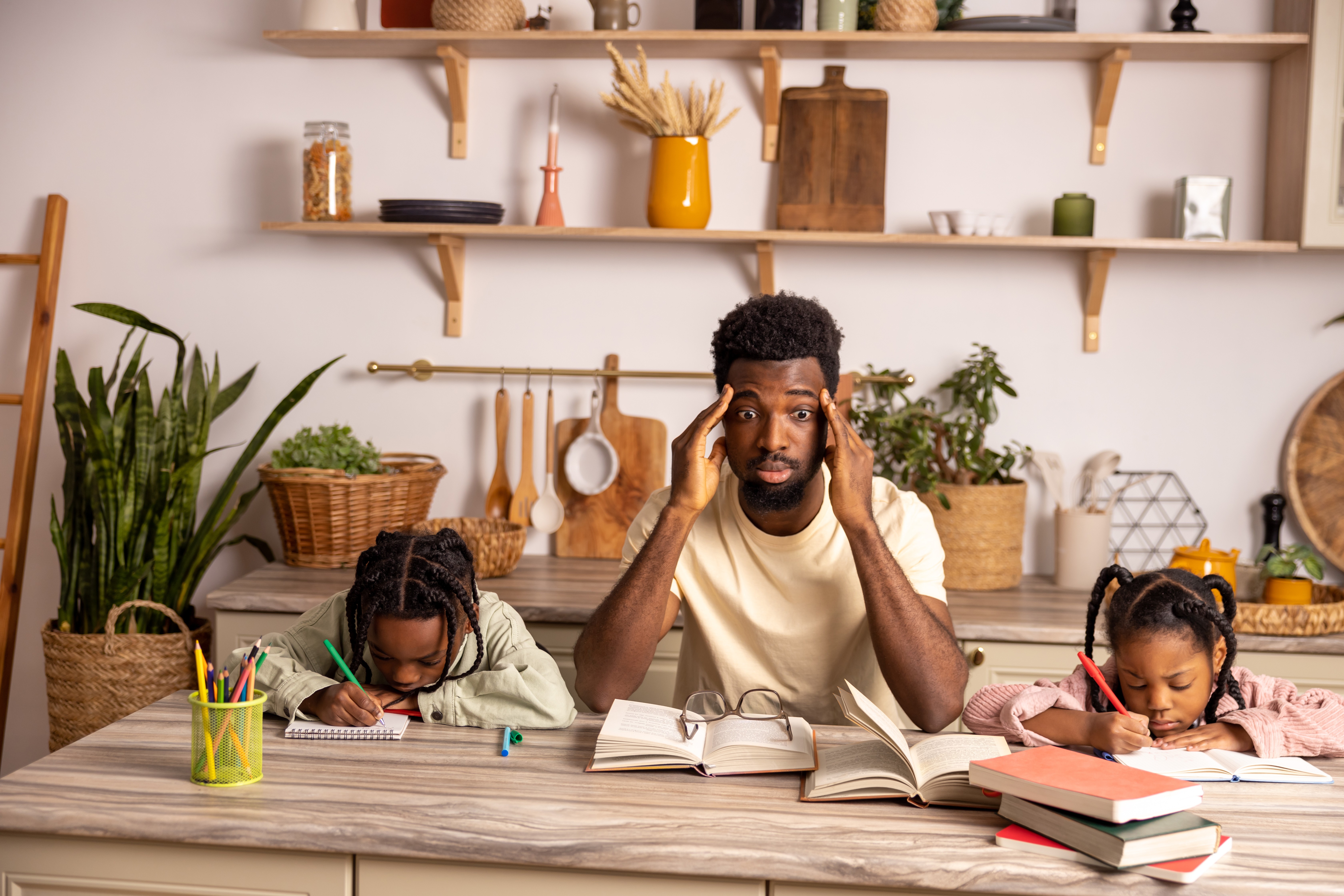
The alarm goes off. Somewhere a shoe is missing, a permission slip is buried, and someone swears they "already did" their homework. If your back-to-school mornings feel less like a routine and more like a fire drill, you're not doing it wrong. Your home just isn't set up to help you yet.
The good news: you don't need a full remodel or a color-coded label maker to fix it. A few smart storage pieces and a couple of dedicated "zones" can take a huge chunk of the daily chaos off your plate. Here are eight ways to set your home up for smoother mornings and less-stressful school days.
Let's make this the year mornings stop running you.
1. Build A Drop Zone By The Front Door
Most morning meltdowns happen within ten feet of the front door. Backpacks, shoes, water bottles, jackets, that one library book that's now three days late. When everything has a landing spot near the exit, you stop the "where is it?!" scramble before it starts.
Create one drop zone (some people call it a launch pad or command center) where school stuff gets grabbed on the way out and dropped on the way in. A storage cabinet or accent chest hides backpacks and gear behind closed doors, a bench with storage gets coats and bags off little shoulders, and a basket or bin for each kid keeps shoes and hats from becoming a shared free-for-all. A few catch-all trays and baskets from the home decor aisle round it out.
Fast win: Do a nightly "launch pad reset." Backpacks packed, shoes staged, water bottles filled and lined up. Ninety seconds at night saves fifteen frantic minutes in the morning.
2. Set Up A Grab-and-Go Lunch Station
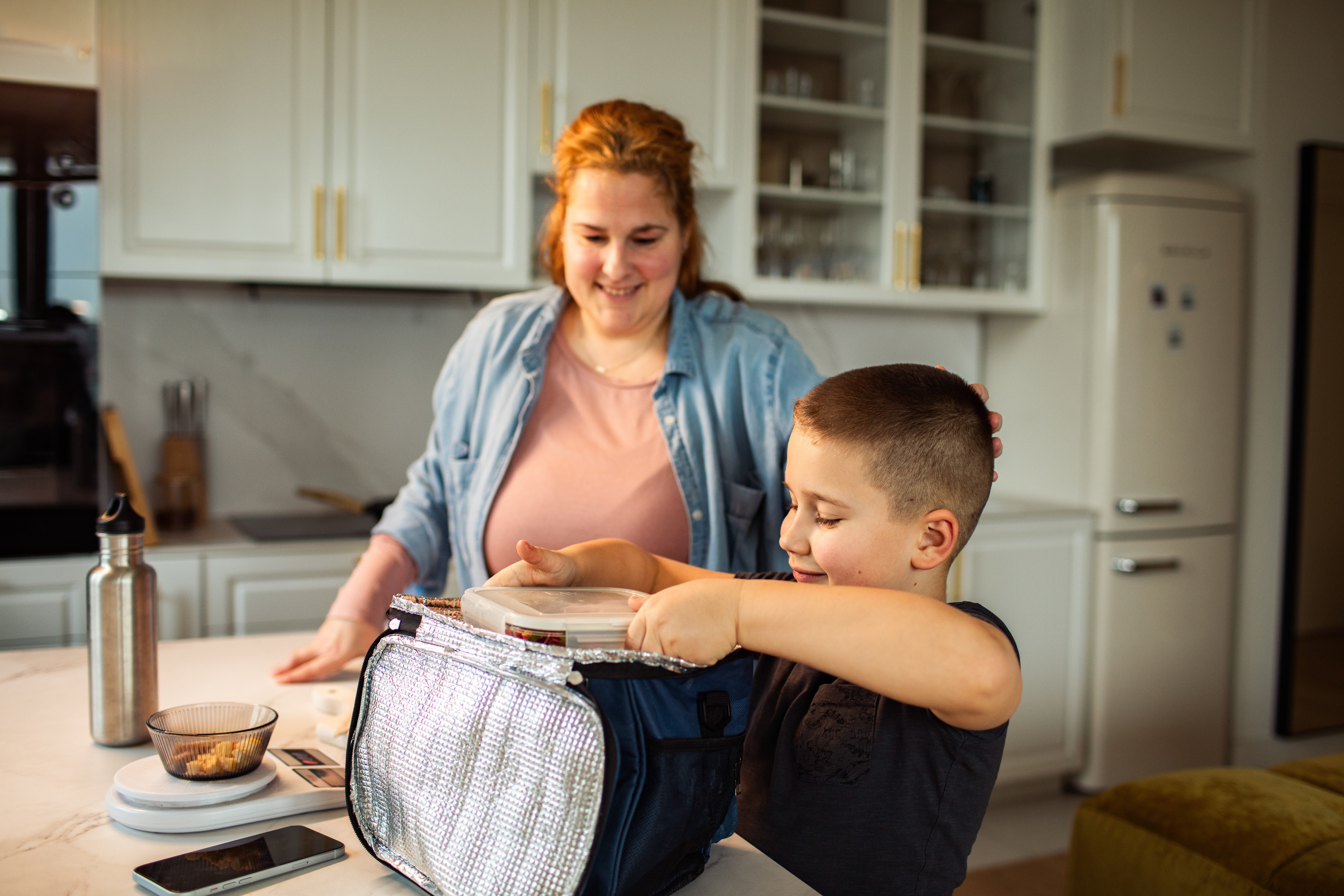
The kitchen is mission control, and mornings live or die here. Take one low cabinet, drawer, or a rolling cart and turn it into a lunch and snack station stocked with lunch-friendly snacks, containers, and reusable bags. When kids can reach it, they can help pack, which means you're not the sole short-order chef at dawn.
Short on counter space? A kitchen island or storage cart buys you a work surface, drawers, and a spot to corral the morning traffic all at once.
3. Give Paperwork One Single Home
Forms, flyers, and that field-trip check need a home that isn't the counter. Set up a small tray or a dedicated wall spot in the kitchen for "action needed" items so the important stuff stops vanishing under cereal boxes. One rule keeps it working: anything that needs a signature goes straight to the tray, never the countertop.
4. Corral Homework Supplies Near The Table
For a lot of families, the dining table is also the homework table, the craft table, and the "spread out the whole science project" table and that's fine, if it can reset quickly. The trick is nearby storage so supplies don't live on the table permanently.
A buffet or sideboard becomes your homework drawer (pencils, chargers, calculators) plus a landing spot for library books and folders, all within arm's reach and out of sight by dinnertime. A dining table that wipes down and resets easily keeps the space flexible for both homework and meals.
Using the dining table as a homework hub, quickly:
Pros:
- No extra room or furniture required, and you're near the kitchen for snacks and supervision.
- Great for younger kids who focus better with a parent nearby.
Cons:
- You have to clear it for meals, so it demands nearby storage and a daily reset.
- Not ideal for older kids who need quiet or a permanent setup.
5. Hide The Mess Where It Happens
The living room is where backpacks get dumped, shoes get kicked off, and toys stage a nightly takeover. You can't stop the mess entirely, but you can make cleanup a two-minute job with furniture that hides storage in plain sight.
Storage ottomans swallow blankets, controllers, and stray toys while doubling as a footrest or extra seat. Media consoles and cabinets with doors tame the tangle of cords and controllers. If you're refreshing the space, a sofa or sectional paired with a matching storage piece keeps the room comfy for the after-school crash and gives you spots to stash the clutter. Add a few good baskets for the nightly "clean up before bed" sweep.
The rule that keeps this room sane: everything gets a home, and the home is close to where the mess happens.
6. Create A Dedicated Homework Zone
Once homework gets serious, a dedicated study spot pays off. It signals "this is where we focus," cuts distraction, and keeps school stuff from migrating all over the house. You don't need a whole room, just a defined corner.
Aim for a desk sized to the space and the kid (a compact writing desk for a bedroom corner, a larger desk with drawers for an older student with a laptop), a supportive task chair instead of a borrowed dining chair, and a bookcase or shelving for textbooks and binders so the desktop stays clear. Anything from the home office lineup does double duty as your work-from-home setup once the kids head out the door.
Try this: Give each kid a portable caddy for their supplies. If they study in different spots on different days, the supplies travel with them and nothing disappears.
7. Make Bedrooms Morning-Ready
A huge amount of morning stress traces back to the bedroom. If a kid can't find clean clothes, the day starts behind. The fix is bedroom storage a child can actually use on their own.
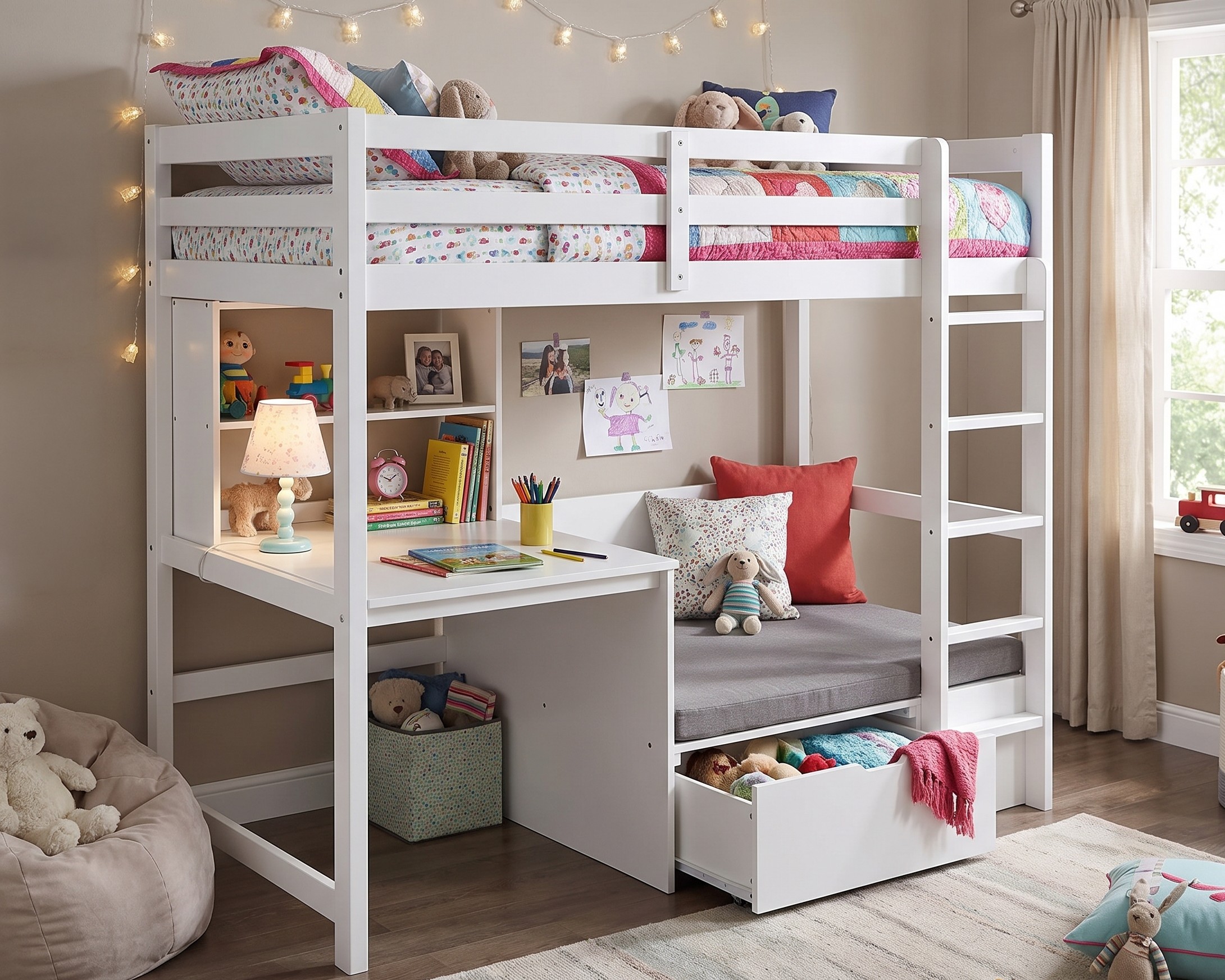
A dresser with smooth, easy-open drawers lets kids get dressed without a treasure hunt, especially when you organize by category. Beds with built-in storage (or room for under-bed bins) stash off-season clothes and toy overflow, and a nightstand keeps the book, water cup, and alarm off the floor. Don't overlook the mattress, either. A kid who sleeps well gets up more easily and melts down less, so if bedtime battles and groggy mornings are a theme, it may be worth a look. Furniture built for smaller humans lives in the kids and baby line, while older kids and teens graduate into the standard bedroom collection.
The nightly game-changer: lay out tomorrow's full outfit before bed, socks and shoes included. It sounds small, and it eliminates one of the most reliable morning arguments there is.
8. Reset The Night Before
The single highest-return habit on this list isn't a purchase, it's a routine. Spend ten minutes after the kids are down running the whole house through a quick reset: launch pad staged by the door, lunches half-packed in the kitchen, homework supplies back in their drawer, outfits laid out in each bedroom. Every zone you built in tips #1 through #7 makes this reset faster. Do it consistently and mornings stop being a sprint.
Homeschooling?
Give learning its own zone. If your home doubles as a classroom, organization isn't a nice-to-have, it's a necessity. Even a defined corner gives the school day a start and a stop, a bookcase and storage cabinet keep curriculum and supplies contained, and flexible table space resets from lesson to lunch. The home office and dining collections tend to be your best friends here.
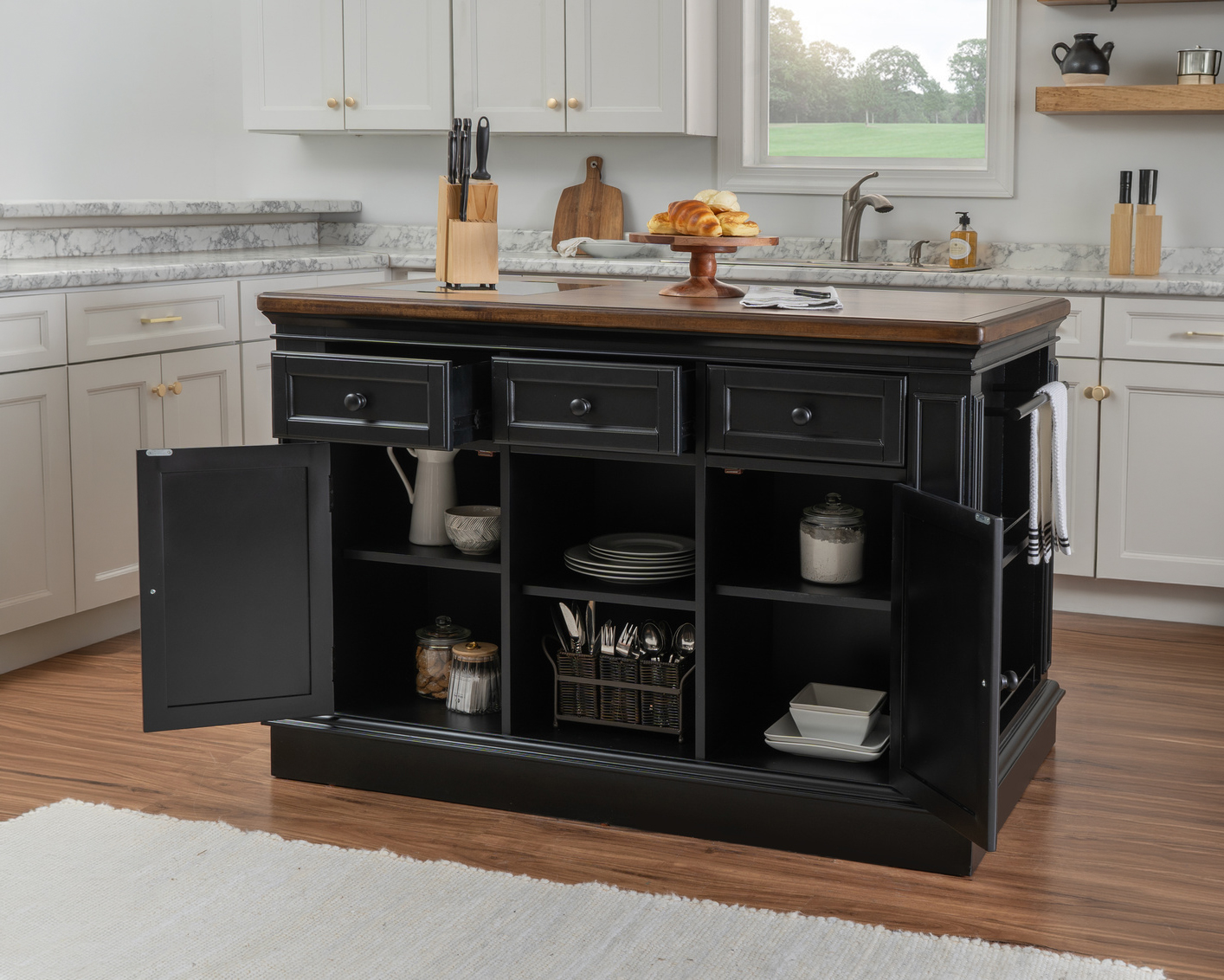
Lunch Creation Station with easy grab items to quick fill the lunch bag.
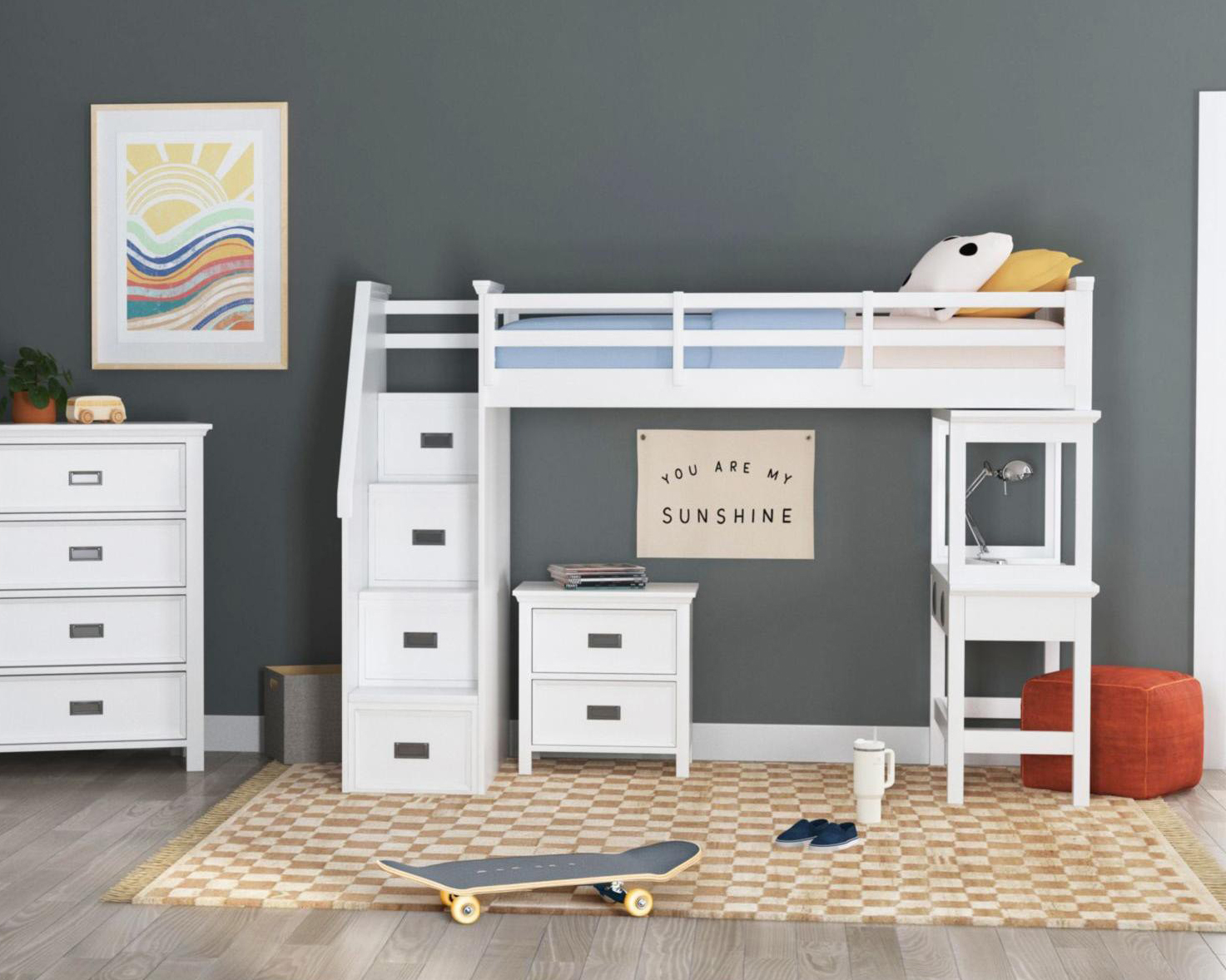
Bunk Beds work great for desk and storage purposes for home work and morning prep.
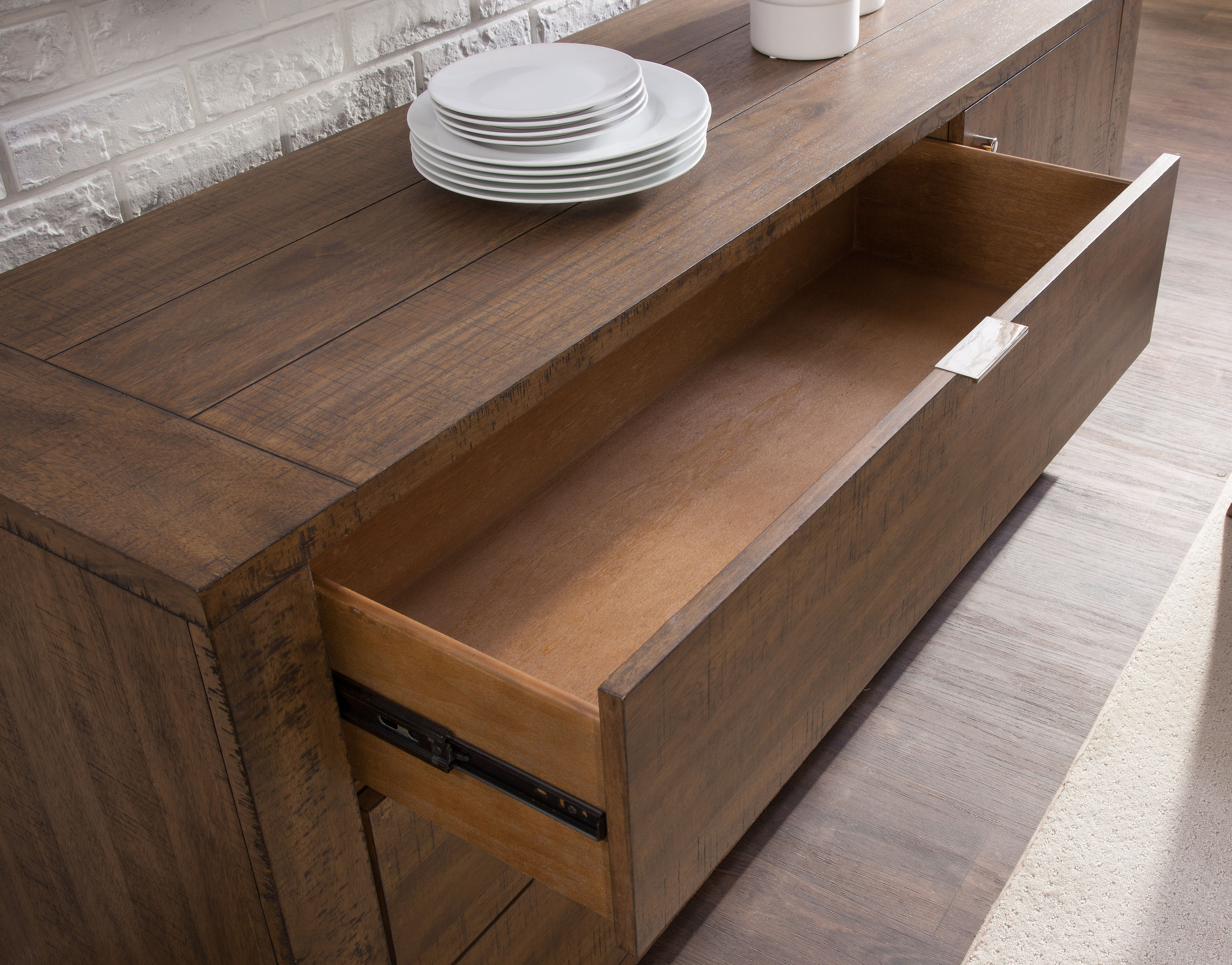
Credenzas and Buffets perform double duty when dining spaces pull homework duty.
Organized Doesn't Mean Perfect
You don't have to tackle all eight at once. Start with whatever hurts most, the door, the kitchen, or the homework pile, and build from there. Organized doesn't mean perfect. It means the systems do some of the work so you don't have to do all of it at 7 a.m. with a lunchbox in one hand and a hairbrush in the other.
Here's to a calmer year, one room at a time.
Related Articles

Five Renter Friendly Upgrades
Five Renter Friendly Upgrades for the Un-Leased Look

What Are You Hiding?
What Are You Hiding? Furniture with Hidden Compartments

Tailgating at Home
Football Season Essentials for Tailgating at Home

Grill Season Wind Down