Summer Break Survival Guide: Smart Furniture That Gets Kids to Actually Help Keep Things Tidy
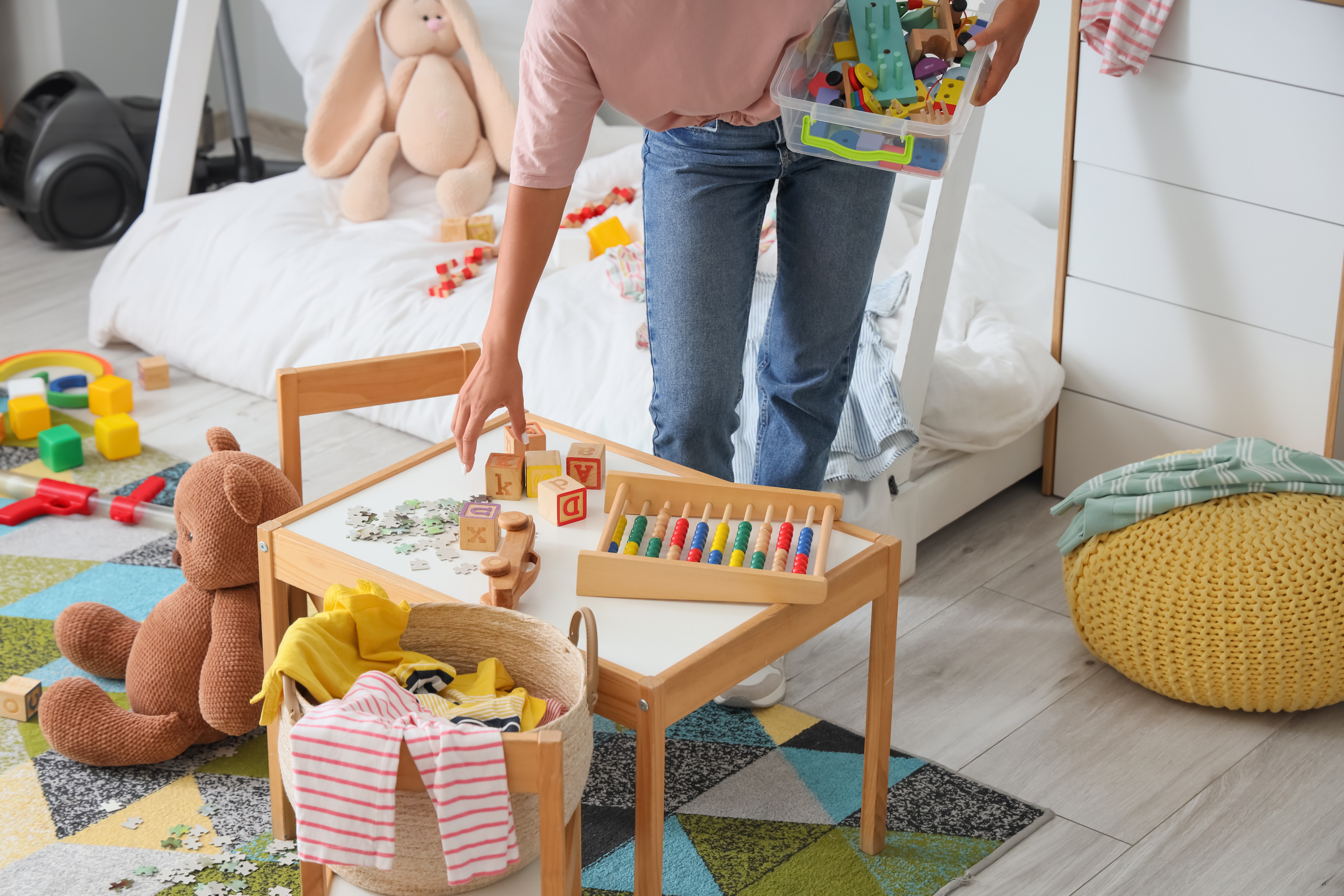
Summer break is coming and with it, more toys on the floor, more craft supplies on the table, and more "I don't know where it goes," from every kid in the house. The secret to a more functional home this summer isn't more rules it's making it easier for kids to do the right thing. The right furniture and storage can do a lot of the heavy lifting for you.
Why the Right Setup Changes Everything
Kids aren't naturally messy, they just don't have systems that make sense to them. When a 4-year-old doesn't know where the blocks go, they end up on the floor. When a 12-year-old's room has one giant closet and no other storage, clothes end up on every horizontal surface. The fix isn't a lecture. It's a setup that makes "put it away" the path of least resistance.
Multi-functional furniture with built-in storage is one of the smartest investments you can make before the school year ends. It works for kids because it's simple and and it works for parents because the house stays more manageable without constant reminders.
Here's how to think about it by life stage.


Little Ones (Ages 2–6): Make It Impossible to Do It Wrong
Toddlers and preschoolers genuinely want to help. The problem is their version of "put away" and yours look nothing alike. The goal with this age group is to make storage so obvious and so accessible that they can actually do it themselves.
What works:
- Low, open storage bins and cubbies are gold at this age. No lids, no latches, no figuring out which drawer. Toss it in, done. Look for toy storage benches that double as seating. These work great in playrooms, bedrooms, and even covered patios for outdoor toy containment.
- Defined zones with rugs are underrated as an organizational tool. A colorful area rug visually marks the "play here" space, which naturally contains mess to one area. When playtime is over, a rug gives kids a clear boundary for where everything gets picked up from.
- Step stools with storage let little ones reach things independently, and independence is the whole game at this age. If they can get it themselves, they're much more likely to put it back themselves.
- Small-scale furniture matters more than people realize. A 3-year-old can't hang clothes on a rod that's 5 feet high. Low hooks, low shelves, and kid-height storage make self-sufficiency possible.
Outdoor tip: A storage bench or deck box on the porch or patio is a game-changer for outdoor toys, sidewalk chalk, and water play gear. One spot, easy rule: outdoor toys stay outside in the box.
School Age (Ages 7–11): Give Them Ownership
Kids in this range are old enough to have real responsibilities and old enough to push back when things feel unfair or confusing. The best strategy here is giving them clear ownership of their spaces with storage that actually fits how they use things.
What works:
- Loft beds and bunk beds with built-in storage maximize floor space, which school-age kids love having for playing, building, and spreading out. Drawers underneath, shelving on the side, or a desk built into the loft gives everything a home without eating up the whole room.
- Craft and homework stations with dedicated storage for supplies (think: shallow drawers for markers and scissors, cubbies for notebooks and project supplies) make it easy to clean up between activities. When the supplies have a logical place to live, kids can reset the space themselves.
- Multi-functional ottomans and storage benches in common areas (living room, bonus room, even a covered porch) give kids a landing spot for books, controllers, headphones, and whatever else migrates through the house. Bonus: they double as extra seating when friends come over.
- Pegboards and wall-mounted storage for craft or hobby supplies are endlessly customizable and easy to reorganize as interests change, which they absolutely will multiple times a summer.
The ownership angle: Let kids this age help decide where things go and how their storage is organized. When they're part of the decision, they're far more likely to actually use the system. A Friday 10-minute reset is much easier when the system makes sense to them.


Tweens & Teens (Ages 12+): Respect Their Space, Set Your Expectations
Here's the truth about teens: the more you push, the more they dig in. The more ownership they feel over their space, the more likely they are to maintain it, at least minimally. Furniture that looks like it belongs in an adult space (not a little kid's room) goes a long way.
What works:
- Modular shelving and bookcases that can be arranged and rearranged give teens control over their space. They're practical for books, collectibles, gear, and the rotating cast of hobbies a teenager cycles through.
- Storage ottomans and accent chairs with hidden storage let teens keep their rooms more functional without it looking like a storage unit. These pieces can hold anything from sports gear to extra blankets to the charging cables that seem to multiply overnight.
- Multi-functional desks with drawers and hutches keep school supplies, tech, and creative projects organized. A dedicated study space with real storage reduces the "my stuff is everywhere" problem significantly.
- Benches at the foot of the bed give teens a practical spot for bags, jackets, and clothes that are "not dirty but not clean enough to hang back up." Redirect the floor pile to the bench. It's a realistic compromise.
- Indoor/outdoor rugs in hangout spaces (covered porch, patio, basement) define the space and make it feel intentional. Teens are more likely to maintain spaces they feel proud of.
The negotiation: With teens, trade autonomy for baseline expectations. They get to decide how their room is arranged; the expectation is that common areas stay clear. Storage furniture in shared spaces helps make that easier for everyone.
Shared Spaces: The Common Area Strategy
The rest of the house takes a beating in summer too. A few well-placed pieces go a long way.
- Entryway benches with storage corral shoes, bags, and summer gear the moment it comes through the door before it spreads. A bench with cubbies or a lift-top seat gives everyone a designated drop zone.
- Storage coffee tables and end tables with shelves in the living room handle remotes, books, games, and whatever else lands in the main living space. They keep things accessible without looking cluttered.
- Baskets and storage ottomans in the family room give kids of all ages a quick-stash option that actually gets used. If it's easy to put away, it gets put away.
Outdoor storage benches and deck boxes on the patio or porch do double duty as extra seating and a home base for all the outdoor gear that otherwise ends up scattered across the yard.


Linon Sunny Corduroy Storage Ottoman in Cream
Let's Put This Away
A more organized summer doesn't come from more rules, it comes from setting up your home so that keeping things tidy is easy enough for everyone, including the kids. Multi-functional furniture with real storage solves the problem before it starts.
Start with the spaces that drive you the most crazy, pick pieces that work for the age of your kids, and let the furniture do what it's designed to do.
Related Articles

Five Renter Friendly Upgrades
Five Renter Friendly Upgrades for the Un-Leased Look

What Are You Hiding?
What Are You Hiding? Furniture with Hidden Compartments

Tailgating at Home
Football Season Essentials for Tailgating at Home

Grill Season Wind Down