Art of Craftsmanship: What Makes Quality Wood Furniture Truly Exceptional
| Updated: April 23, 2026
In a world of fast furniture and flat-pack everything, finely crafted wood furniture stands out like a piece of quiet luxury. It has weight. It has character. It has a story. But what exactly makes a well-crafted piece feel different from something mass-produced? The answer lives in the details, subtle choices and techniques only skilled makers know how to get right.
Here’s a look behind the scenes at craftsmanship details that define exceptional wood furniture.
1. The Wood Itself: Grain, Hardness, and Character
True craftsmanship begins long before any tool touches the wood.
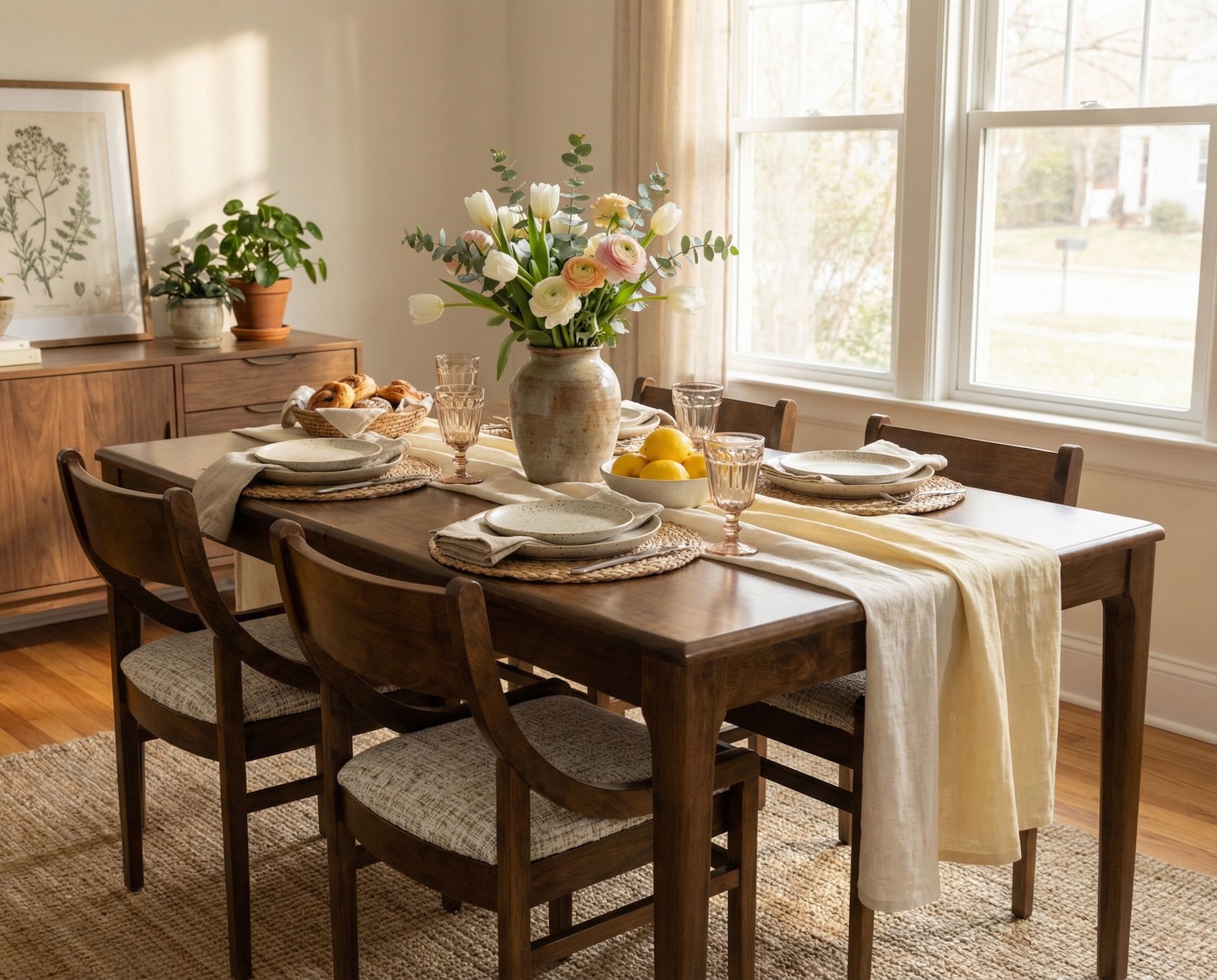
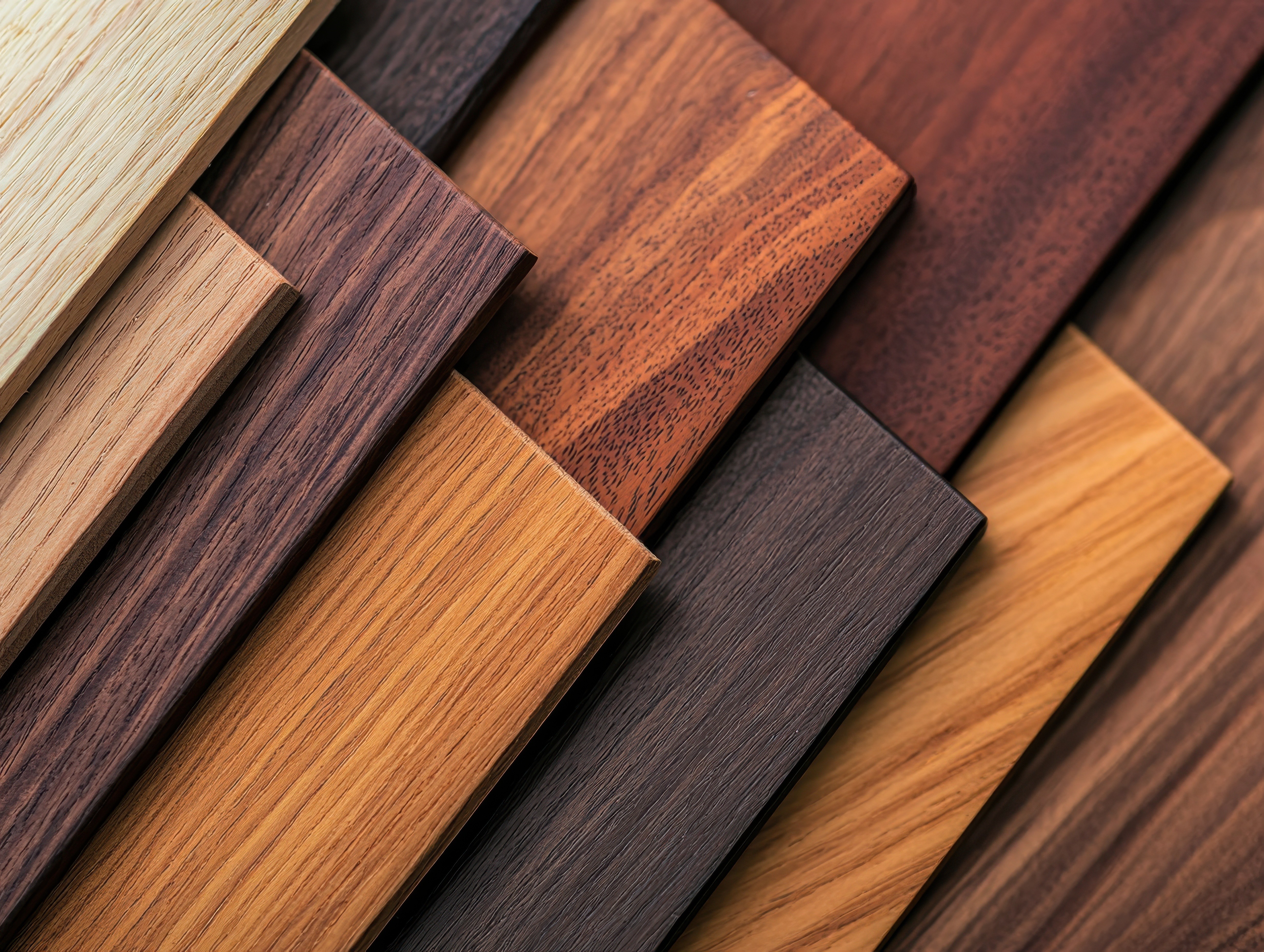
Grain orientation affects stability, appearance and how a piece ages. Quarter-sawn oak, for example, produces the famous tiger-stripe fleck pattern while resisting warping. Rift-sawn lumber gives clean, elegant lines. Flat-sawn boards provide bold, cathedral-shaped grain.
Hardwood species also influence durability and personality:
- Walnut: deep brown, luxurious, refined
- Maple: pale, smooth, modern, incredibly tough
- Cherry: warm, glowing, ages beautifully
- Oak: textured, strong, timeless
A skilled furniture maker doesn’t just pick a species, they pick the exact board to match the purpose, direction of stress, and desired aesthetic.
2. Joinery: The Mark of a Master
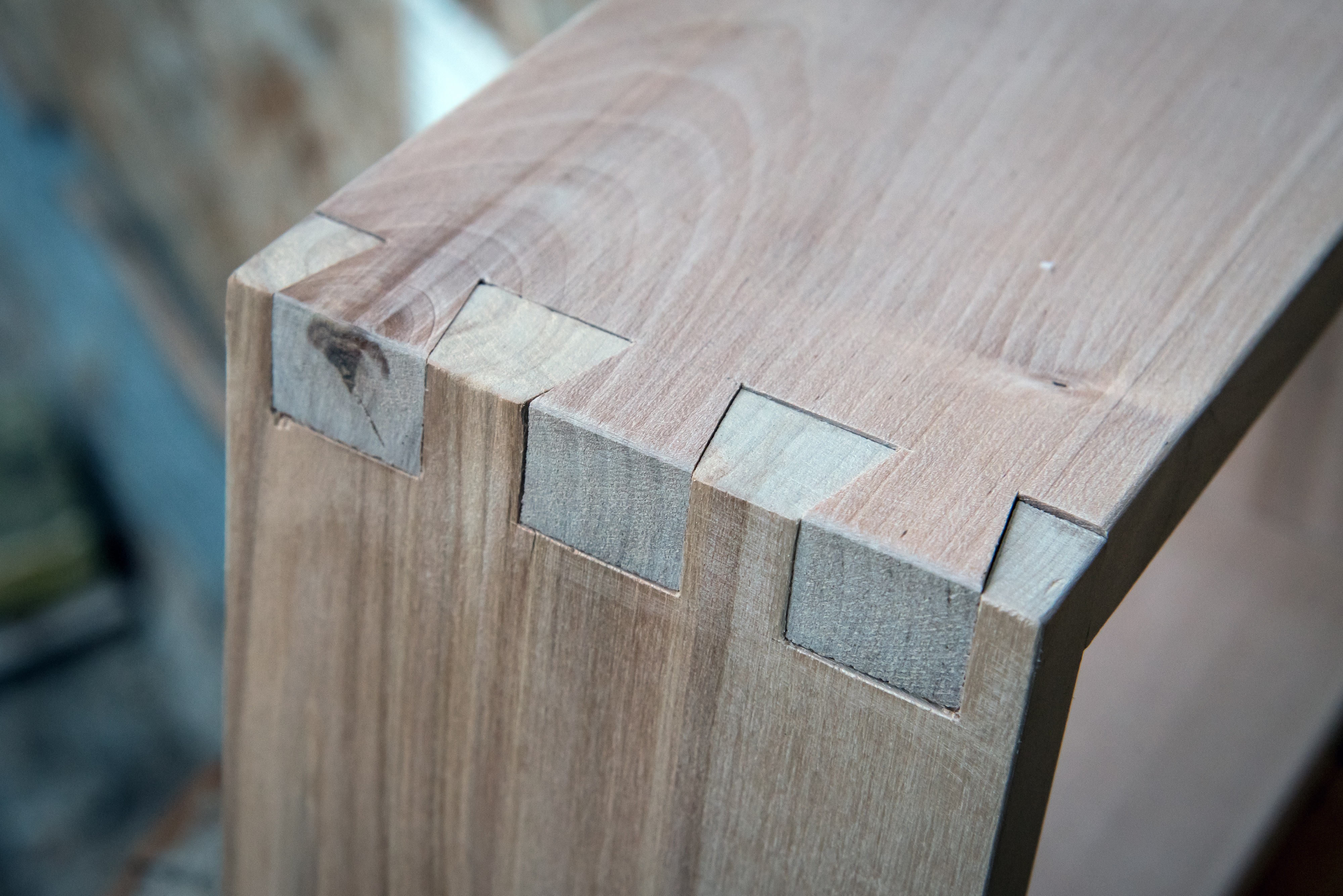
Good joinery is the heart of fine furniture. It ensures stability without relying on cheap metal brackets or excessive screws.
Some classic joints you'll see in handcrafted pieces include:
- Dovetail joints
Often used in drawers, dragon-tooth shapes interlock for strength and beauty. - Mortise and tenon
A centuries-old method used to create sturdy tables, chairs, and frames. - Finger joints
Clean, geometric, ideal for boxes or modern-style cabinetry. - Floating tenons (Domino joinery)
Used by modern craftsmen for precision in complex builds.
Each joint is a quiet marriage of engineering and artistry. Properly executed, they withstand decades, often generations of use.
3. Hand-Finishing: Where Craft Becomes Art
Machine sanding has its place, but true craftsmanship requires human hands.
Hand-sanding, especially on curves and edges, creates a softness that machines can’t replicate. You’ll notice it when you run your fingers along a table edge, it feels warm, smooth, and organic.
Then come the finishes:
- Natural oils (tung, linseed, walnut) for a soft, matte glow
- Hand-rubbed wax for a velvety feel
- Shellac or lacquer for heritage pieces
- Low-VOC finishes for modern, eco-conscious craftsmanship
Each finish enhances the wood’s natural beauty while protecting it from daily life.
4. Attention to Proportion and Balance
Craftsmanship isn’t only about the build, it’s about design intuition.
Great woodworkers understand:
- The right leg thickness so a table feels sturdy but not bulky
- The perfect drawer depth for use and proportion
- The way shadows fall on beveled edges
- How a curve can make a piece feel lighter or more sculptural
These are small choices, yet they determine whether a piece feels visually “right.”
5. Hardware That Complements, Not Competes
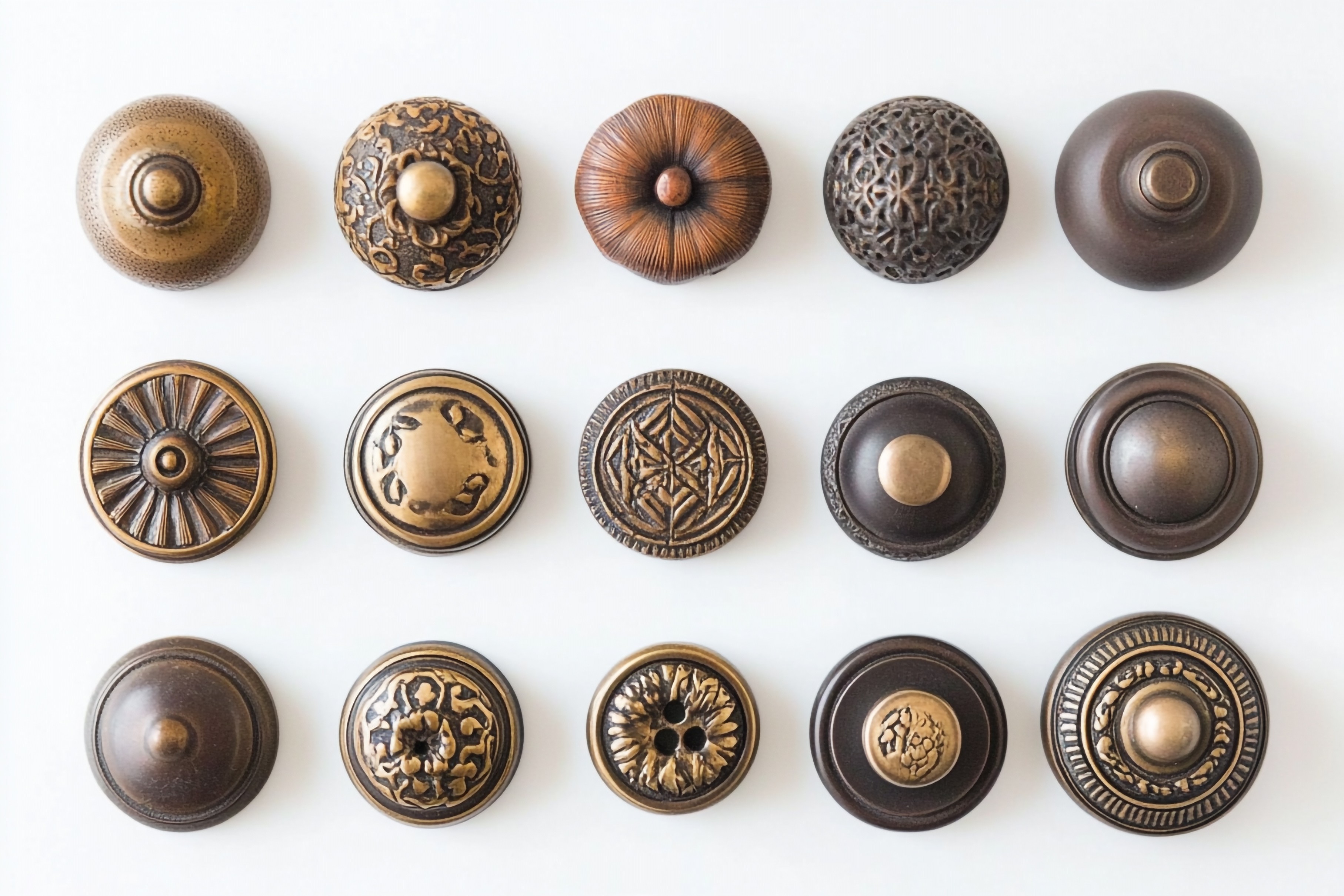
Hardware isn’t an afterthought in fine furniture. It’s part of the design vocabulary.
You’ll often see:
- Solid brass pulls that develop a patina
- Soft-close, undermount drawer slides hidden from view
- Hand-forged handles for artisanal character
- Wooden drawer runners in traditional pieces
Everything is chosen with intention.
6. Hidden Details You Don’t Notice, But Definitely Feel
Quality craftsmanship reveals itself in subtle ways:
- Drawer interiors are smooth, sometimes even finished, never rough.
- Back panels are real wood, not flimsy fiberboard.
- Table aprons and internal braces prevent wobbling, even years later.
- Perfectly flush joints where you can hardly see the seams.
You might not notice these at first glance, but your furniture will feel solid and dependable because of them.
7. Longevity: Built for Generations, Not Months
Artisan crafted wood furniture is made to:
- Age gracefully
- Be refinished, not replaced
- Develop richer color over time
- Survive moves, kids, and everyday life
This is sustainability at its best. Buy once, enjoy forever.
Final Thoughts: Craftsmanship Is a Feeling
You can spot true craftsmanship by how a piece makes you feel when you touch it, open a drawer, or admire its grain in natural light. It feels thoughtful. Intentional. Alive.
Wood furniture built with care offers not just function, but soul. It's a reminder that in a world obsessed with speed, some things are still worth slowing down to make well.
Related Articles

Empty Nester's Dream Space
5 Ways to go from Kid's Room to Empty Nester's Dream Space

Halloween Entertaining
Creative Ideas for Halloween Entertaining


Patio Season Clear Through Autumn
How To Extend Patio Season Clear Through Autumn
Updated: July 28, 2026