The Guide To Packing Your Furniture And Wares For A Successful Move
|
|

Moving has a funny way of reminding you just how much you've accumulated over the years and how much you love it once it's all at risk of getting dinged, scratched, or broken in transit. The good news? A little preparation and the right approach make an enormous difference. Whether you're loading a rental truck with your best friends or handing things off to a professional crew, what happens before the truck arrives determines what shows up intact on the other end.
This guide walks through every major room in your home; the furniture, the fragile stuff, the awkward pieces, and the things most people forget so you can move with confidence no matter how far you're going or how much you're taking with you.
Before You Pack a Single Box
Edit Before You Pack
Here's the honest truth: moving is the single best opportunity you'll ever have to edit your belongings. Walk every room before you touch a box and decide what's coming with you, what goes to donation, and what finally gets tossed. Every item you don't move is time, money, and effort saved.
Gather the Right Supplies, And More Than You Think You Need
Most people underestimate their packing supply needs by 30 to 40 percent. Running out mid-pack is frustrating and leads to shortcuts that cost you later. Before you start, stock up on:
- Small, medium, and large boxes matching box size to item weight, not item size. Books in small boxes, pillows in large ones.
- Dish boxes (double-wall construction) for anything fragile
- Wardrobe boxes for hanging clothing
- Packing paper, skip the newspaper; the ink transfers and stains fabric and finishes
- Bubble wrap for high-value and delicate items
- Stretch wrap and plastic shrink wrap for furniture
- Moving blankets and furniture pads
- Rug bands or ties for secured rolls
- Painter's tape and packing tape with a tape gun
- Sealing snack bags in multiple sizes for hardware and small parts
- Permanent markers and colored labels or tape for room-coding boxes
Photograph and Disassemble Before You Wrap
Remove legs, shelves, drawer hardware, headboards, and any detachable components before wrapping anything. It protects the furniture, saves your walls and doorframes, and makes loading a truck dramatically more efficient.
Before you take anything apart, photograph it first, especially anything complex, anything you assembled yourself, or anything with cables behind it. That two-minute photo saves you an hour of frustration on the other end. Store all hardware in labeled zip-lock bags and tape them directly to the piece they belong to. When you're unpacking at midnight and running on fumes, you'll thank yourself.

Furniture & Electronics
Sofas and Sectionals
These can be quite heavy and bulky.
- Measure doorways of your current space and destination to ensure easy passage out and into the new space
- Remove cusions and pillows and bag or wrap loosely in plastic
- Unhook the sectional pieces. Not only will it lighten the load, keeping them attached can cause the attachments to break off.
Upholstered Chairs and Recliners
- Check recliners for a travel lock mechanism. Most have one underneath the seat. Lock it before moving to prevent the footrest from deploying mid-transit.
- Wrap upholstered pieces in plastic furniture bags or moving blankets secured with stretch wrap
- Remove any detachable cushions and pack them separately
- Remove legs that unscrew. It reduces breakage risk, simplifies wrapping, and saves real estate in the truck.
- Wrap glass tabletops in packing paper, then bubble wrap, then a sheet of cardboard on each face for rigidity
- For wood and painted surfaces, use moving blankets secured with stretch wrap. Never tape directly onto a finish.
- Disassemble the bed completely and put hardware into a bag. Write down and photograph steps of breakdown for ease of re-setup
- Empty dresser drawers and haul seperately to lighten the load
- Wrap all wood and upholstered peices with moving blankets and secure with stretch wrap
- Mattress bags are a must to keep dirt off of the mattress and prevent tears to its fabric
Kitchen and Dining Furnishings
- Like with dressers, remove the drawers and legs if possible
- Box dishes, glassware and flatwear in separate boxes with 2" - 3" packing paper in the bottom and filling in all the gaps
- Cover with moving blankets and wrap with stretch wrap
Entertainment Centers and Media Consoles
- Empty completely before moving every drawer, shelf and cabinet
- Remove doors if they detach and wrap them separately
- For large, built-in-style entertainment centers, be honest about whether disassembly is necessary before you try to muscle it through a doorway
Televisions and Electronics
TVs are likely coming with you, and they're one of the most commonly damaged items in any move.
- Original packaging is ideal; keep those boxes if you can
- For TVs without original packaging, use a properly sized TV moving box with foam edge inserts
- Never transport a flat-screen TV lying flat! always upright and vertical
- Photograph all cable connections before unplugging, and label every cable with a small piece of tape and a marker
Back up computers and external drives before moving day, not after.
Lamps and Lighting
- Remove bulbs before packing as they almost always break, and broken glass in a box is a hazard nobody wants
- Pack lampshades in their own dedicated box with crumpled packing paper around them. Nothing goes on top of a lampshade box. Ever.
- Wrap lamp bases individually in bubble wrap
- For floor lamps, box the base and shade separately
Area Rugs
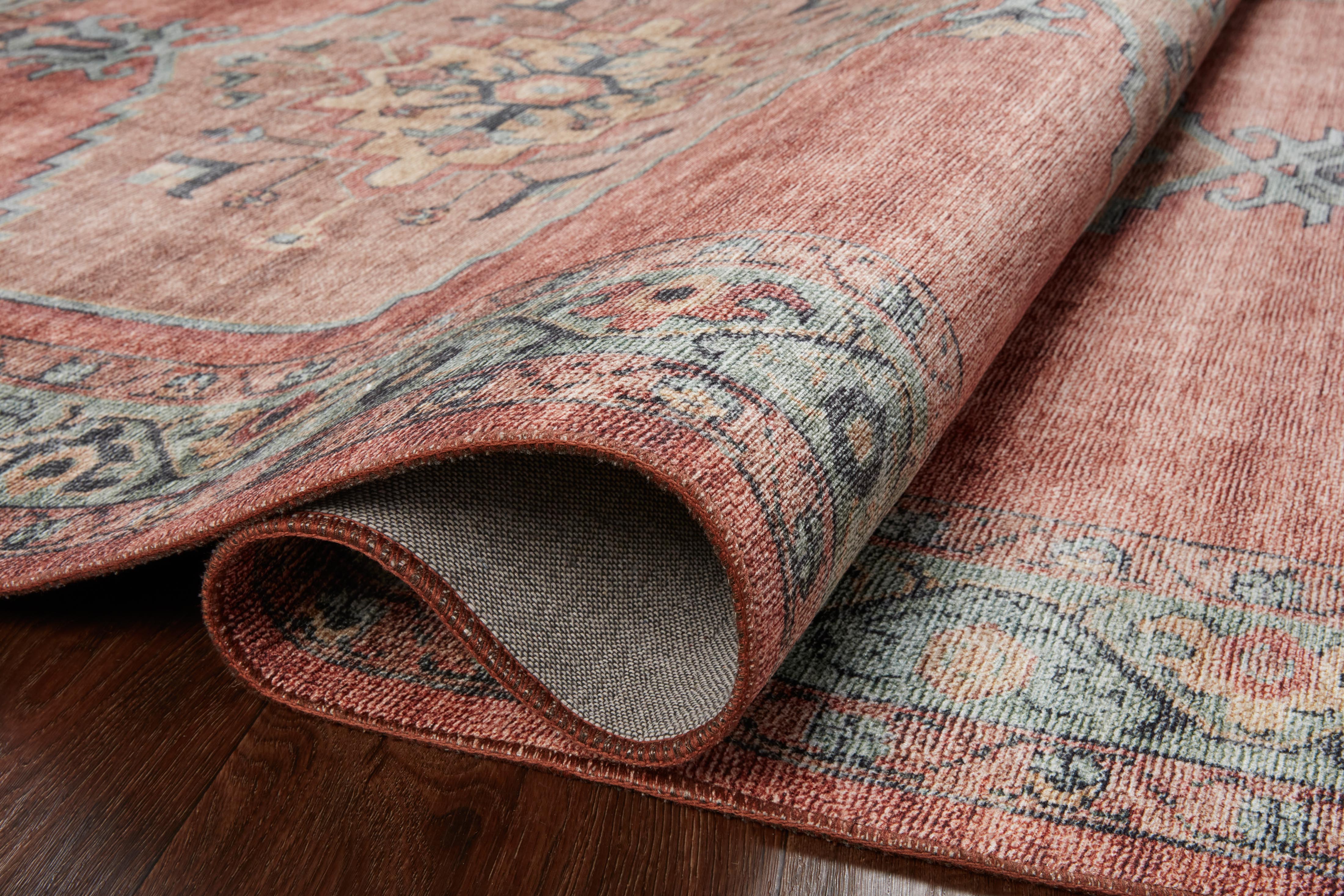
- Clean rugs before you roll them. Moving a dirty rug means wrapping the dirt inside it for the whole trip
- Roll (never fold) area rugs tightly and secure with stretch wrap or rug bands
- For valuable or antique rugs, roll them around a cardboard tube to prevent creasing and protect the piles
Special Categories That Deserve Extra Attention
Antiques and High-Value Furniture
This is where DIY has a real ceiling for many people, and knowing that ahead of time is smart, not defeatist.
- Photograph every piece thoroughly before packing and document existing condition from multiple angles
- For truly irreplaceable pieces, consult a professional antique or fine art mover
- Review your insurance before moving day, not after. Standard moving company liability is often calculated by weight , not replacement value. That means a damaged antique dresser might be compensated at a few dollars per pound. Full-value protection upgrades are available from most carriers and are absolutely worth it for high-value households.
Fine Art, Mirrors, and Framed Pieces
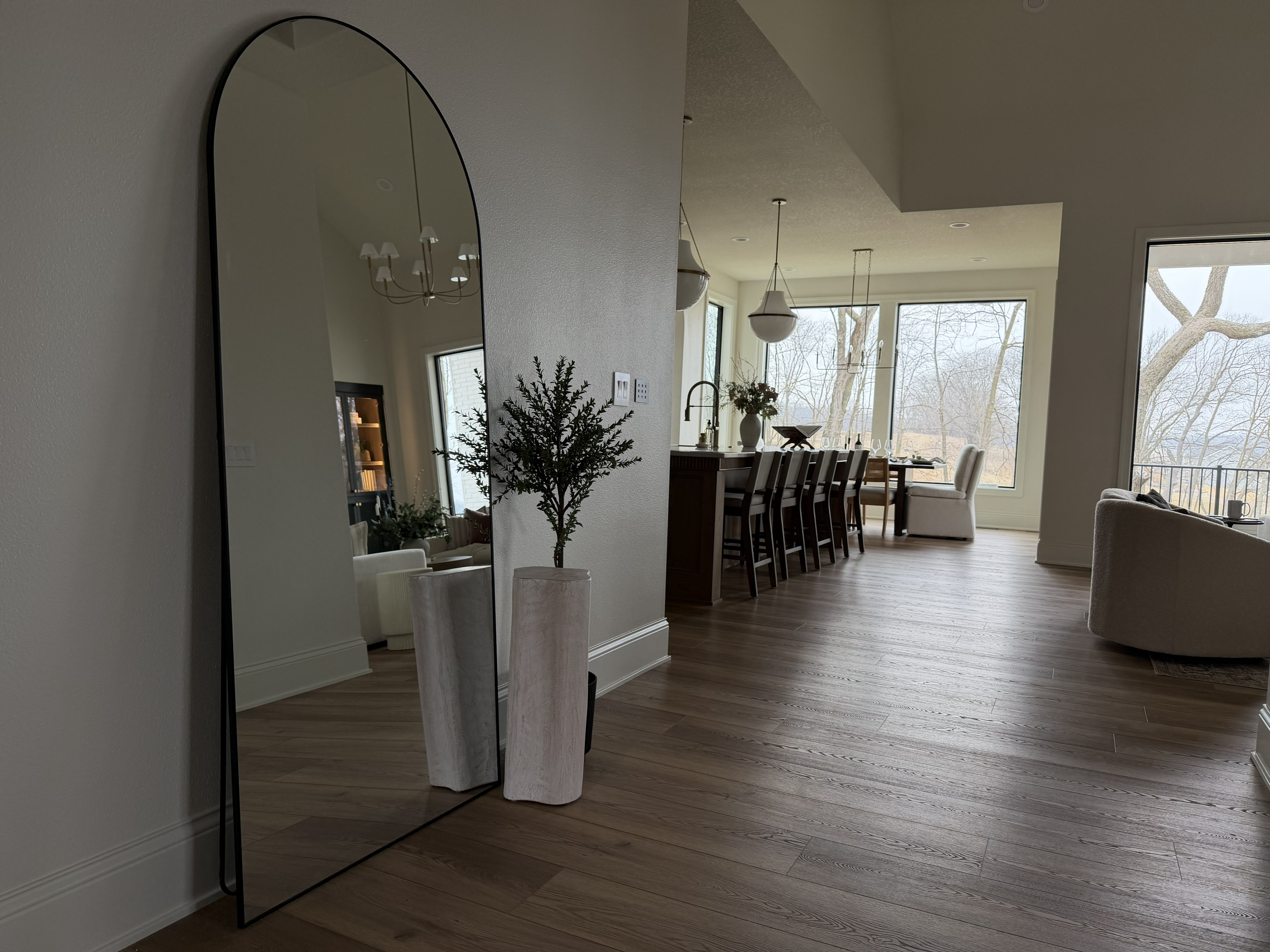
- Flat mirror boxes and foam-lined flat boxes for framed artwork
- For canvas paintings: glassine paper against the surface first, then bubble wrap, then a properly sized box with cushioning on all sides
- High-value artwork should involve your insurance carrier and possibly a professional art shipper
Pianos
Hire piano movers. This is not a DIY project, not a "we'll be careful" project, and not a favor to ask of friends. Pianos are extraordinarily heavy, top-heavy, mechanically complex, and will cause serious damage to floors, walls, stairwells, and people without specialized equipment and trained technique. Professional piano movers exist for exactly this reason.
Loading the Truck: The Strategy That Protects Everything Else
Careful packing gets undone fast by a poorly loaded truck. How you load matters as much as how you pack.
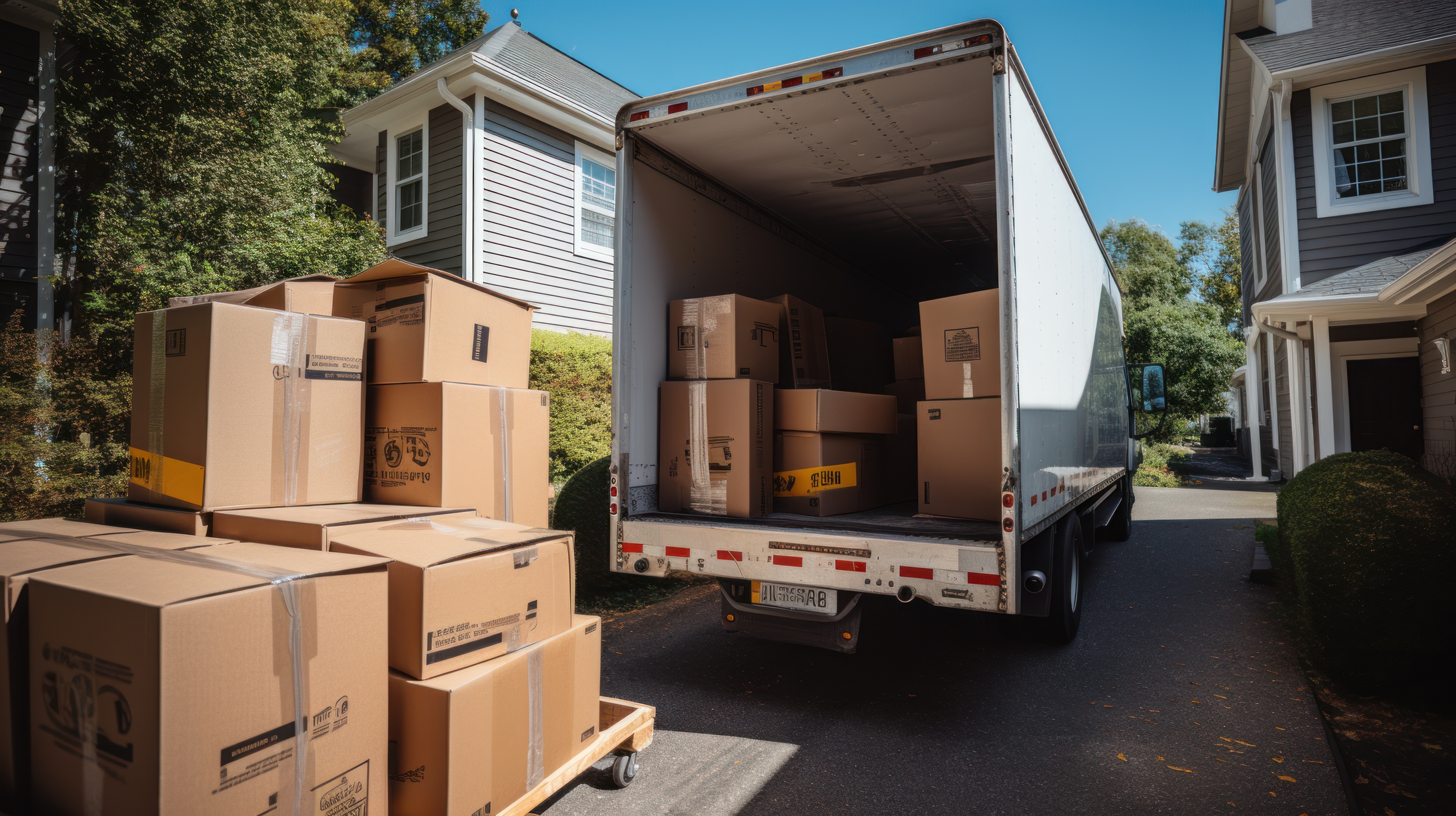
- Heaviest items load first such as bed frames, dressers, and large appliances go against the cab wall at the front of the truck
- Keep furniture upright whenever possible. Don't lay pieces flat that aren't designed to be flat.
- Use vertical space. Lighter boxes and soft items ride on top of heavy furniture pieces
- Fill every gap because empty space is where items tip, slide, and collide.
- Secure with tie-down straps at multiple points, even a short local move involves stops, turns, and road surfaces that shift an unsecured load
- Mirrors, glass, and artwork load last, standing vertically against a padded wall, never laid flat
Local vs. Long-Distance: How the Approach Changes
Here's something people don't always hear: more furniture gets damaged in 10-mile moves than in 1,000-mile moves. The reason is almost always complacency. A local move feels forgiving so people skip steps they'd never skip on a cross-country job. The fundamentals apply no matter how far you're going.
For long-distance moves, layer in these additional considerations:
- Wood furniture is hygroscopic, meaning it naturally absorbs and releases moisture based on its environment. A move from the humid Gulf Coast to the dry Southwest, or from the Pacific Northwest to the desert, can cause wood to crack, warp, or have joints loosen as it adjusts to the new humidity levels. Let wood pieces acclimate in their new environment for a few weeks before doing any refinishing or repairs.
- Temperature extremes matter. Leather, electronics, candles, and certain finishes are all vulnerable to heat and cold. Don't leave a loaded truck sitting in summer heat or winter cold for extended periods if you can avoid it.
- Extended transit increases vibration exposure. Pack as though every box and every piece will be handled multiple times, because on a long-distance move, it probably will be.
- Insurance is non-negotiable. Know exactly what's covered and at what value before the truck leaves your driveway.
What Belongs in Your Personal Vehicle
Some things should never ride on the moving truck, no matter how carefully it's packed:
- Jewelry, passports, birth certificates, and irreplaceable documents
- Prescription medications
- Financial and legal paperwork
- Laptops and external hard drives
- High-value small collectibles or sentimental items
- Anything with no replacement if it's lost or damaged.
Your Moving Day Essentials Box
Pack one box last. Load it last on the truck. Unload it first. Label it so clearly that no one could possibly miss it.
Inside, put everything you'll need within the first 24 hours:
- Toilet paper, paper towels, and hand soap
- A change of clothes for everyone
- Phone and device chargers
- A basic tool kit that includes a screwdriver set, Allen wrenches, hammer
- Snacks and easy food for the day
- Coffee supplies (non-negotiable for most of us)
- Medications
- One set of bedding per bed
- A few basic cleaning supplies
At 10pm on moving day, when the truck is empty and you're running on nothing, you will not want to dig through 60 boxes looking for your phone charger or a roll of toilet paper. Pack this box like your sanity depends on it, because it kind of does.
Your Pre-Move Checklist
- All furniture photographed before disassembly
- All hardware bagged, labeled, and attached to the corresponding piece
- Electronics and cable setups photographed; cables labeled
- Valuables, documents, and medications set aside for your personal vehicle
- All boxes labeled on at least two sides: room and general contents
- Fragile boxes marked on all faces; top, bottom, and sides
- Mattresses in mattress bags
- Moving blankets on all wood furniture; upholstered pieces protected
- All glass items packed vertically with proper cushioning
- Hazardous materials removed from moving inventory
- Truck loaded heaviest-to-lightest, front-to-back
- Tie-down straps secured at multiple points
- Plants handled and arranged for appropriate transport
- Insurance coverage confirmed before moving day
- Essentials box loaded last and accessible immediately upon arrival
A Final Send Off
Moving well is really about one thing: respecting the time, money, and meaning behind everything you've collected in your home. Your furniture isn't just furniture, it's where your family gathers, where your kids do homework, where you unwind at the end of a long day. It deserves to arrive at your next home in the same condition it left.
Take the time to do it right. Your future self, unpacking in a new space, surrounded by things you love and nothing broken will absolutely agree.
Watch this video on DYI How To Wrap Your Furniture For Moving, for some great tips on preparing furniture for your move.
Related Articles

Van Life Made Cozy
Van Life, Made Cozy: How Furniture, Storage & Home Touches Turn A Van Into A Home


Using A Digital Room Planner